Womens health and fitness: 10 Steps to Thrive
Why Understanding Women’s Health and Fitness Matters
Womens health and fitness encompasses far more than generic exercise routines – it requires understanding the unique physiological, hormonal, and life-stage challenges that women face. Here’s what makes women’s fitness distinct:
Key Benefits of Women-Specific Fitness:
- Bone Health: Strength training prevents osteoporosis, especially crucial after menopause when bone loss accelerates
- Hormonal Balance: Exercise helps regulate estrogen and progesterone throughout menstrual cycles
- Heart Health: Women’s heart disease risk increases 400% after menopause, making cardio essential
- Mental Wellness: Physical activity reduces stress, anxiety, and improves mood through natural serotonin production
- Pelvic Floor Strength: Targeted exercises address incontinence affecting up to 1/3 of women ages 30-60
Women’s bodies change dramatically throughout life – from puberty through pregnancy, perimenopause, and beyond. Each stage brings unique fitness needs and opportunities.
The research is clear: women have different hormonal functionality than men, requiring custom approaches to exercise, nutrition, and recovery. What works for your male partner or friend might not be optimal for your body’s specific needs.
As a CrossFit coach once noted: “I have heard female athletes say, ‘I don’t want to get too big'” – yet building muscle is actually one of the most beneficial things women can do for long-term health and vitality.
I’m Jennifer Rapchak, Fitness Director at Results Fitness Alexandria, with over 14 years of experience as an ACE-certified personal trainer specializing in womens health and fitness programming. My expertise in strength training, HIIT, and core conditioning has helped countless women steer their unique wellness journeys through personalized coaching and evidence-based fitness strategies.
Quick womens health and fitness definitions:
Understanding a Woman’s Unique Body
Your body isn’t just a smaller version of a man’s. As women, we have distinct physiological differences that make our fitness journey unique—something to celebrate, not work around.
Understanding Your Body: Unique Aspects of Women’s Health and Fitness
When it comes to womens health and fitness, understanding our unique physiology is a roadmap for success. Our bodies have specific traits that influence how we move, build strength, and respond to exercise.
Body composition is one of the most significant differences. Women naturally carry more body fat than men—typically around 20-25% compared to men’s 10-15%. This isn’t a flaw; it’s essential for hormone production and reproductive health.
Here’s where it gets interesting: while we might not build muscle mass as quickly as men due to lower testosterone levels, we absolutely can and should build strong, lean muscle. The fear of “getting bulky” keeps too many women from the incredible benefits of strength training. These fears are unfounded, and the 10 benefits of strength training for women will change your perspective.
Our skeletal structure also plays a unique role. Women typically have wider pelvises, different hip angles, and varying limb proportions. These differences affect how we perform certain movements and why some exercises might feel more natural. It’s about understanding your body’s blueprint.
Hormonal influences from estrogen and progesterone don’t just affect our monthly cycles; they impact everything from fat storage to workout recovery. These hormones are powerful allies when we learn to work with them.
Navigating Fitness Through Life’s Hormonal Shifts
Your hormones constantly change, influencing how you feel, perform, and recover. The beauty of womens health and fitness lies in learning to work with these changes rather than fight them.
During puberty and early adulthood, your hormonal system establishes its rhythm. This is an ideal time to build a foundation of movement and strength for lifelong wellness, as your body is incredibly adaptable.
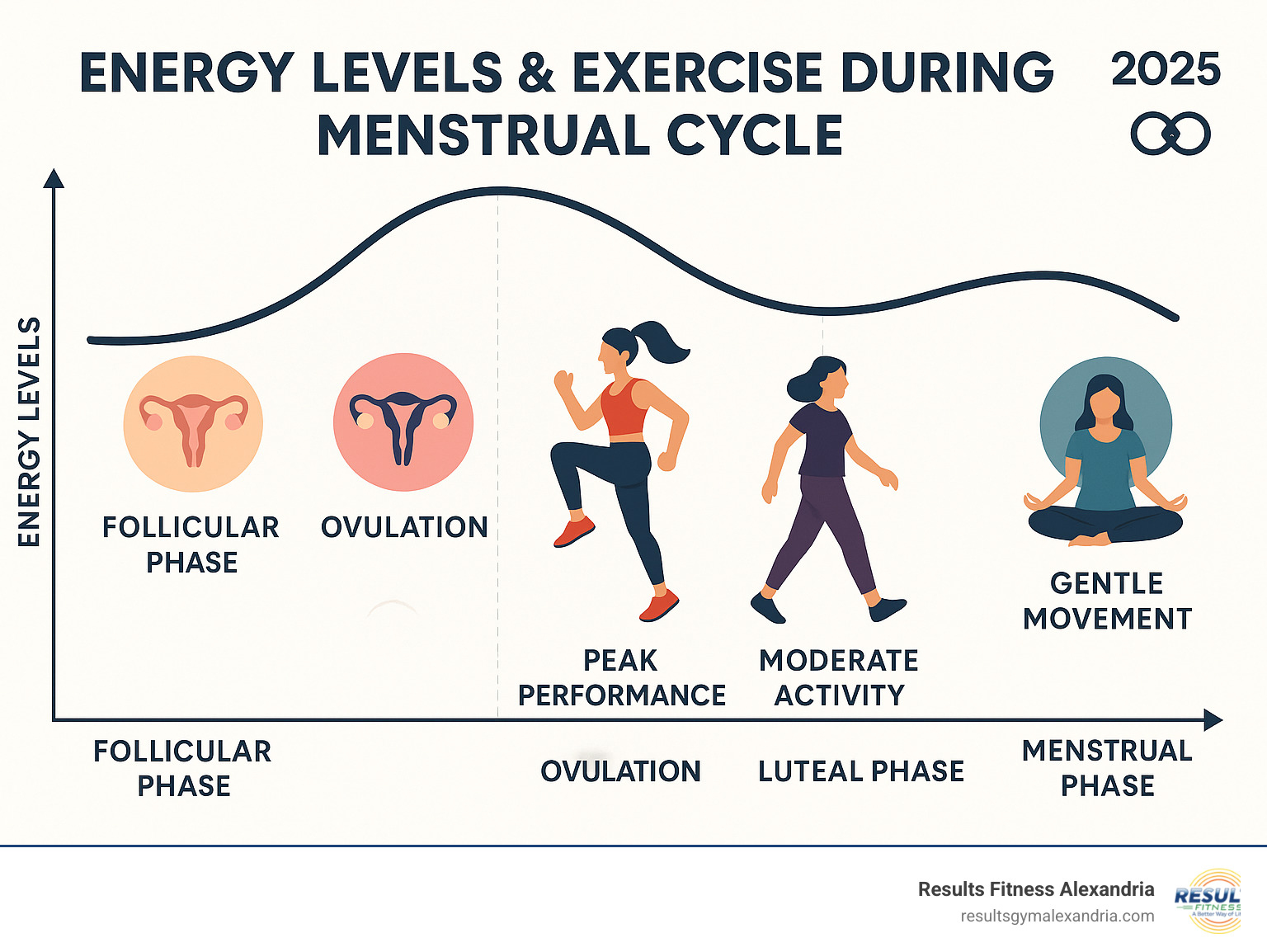
Your menstrual cycle brings monthly hormonal fluctuations that directly impact your energy, strength, and mood. During the follicular phase (first half), many women feel energetic and strong—perfect for challenging workouts. The luteal phase (second half) might call for gentler movement. Training with your cycle isn’t just trendy; it’s smart.
Pregnancy and postpartum represent some of the most dramatic physical changes you’ll experience. Safe exercise during pregnancy can ease discomfort and prepare your body for childbirth. After delivery, the focus shifts to healing, rebuilding core strength, and gradually returning to activity. Our Mommy and Me Exercise Classes provide the perfect supportive environment for this journey.
As you move into perimenopause and menopause, declining estrogen levels create new challenges. Your risk of heart disease increases significantly after menopause, making cardio more important than ever. Bone density also becomes a concern, which is why strength training is essential for preventing osteoporosis and arthritis.
The key through all these stages is using safe exercise modifications that honor where your body is. What worked at 25 might need adjusting at 45 or 65, and that’s normal. Your fitness journey should evolve with you.
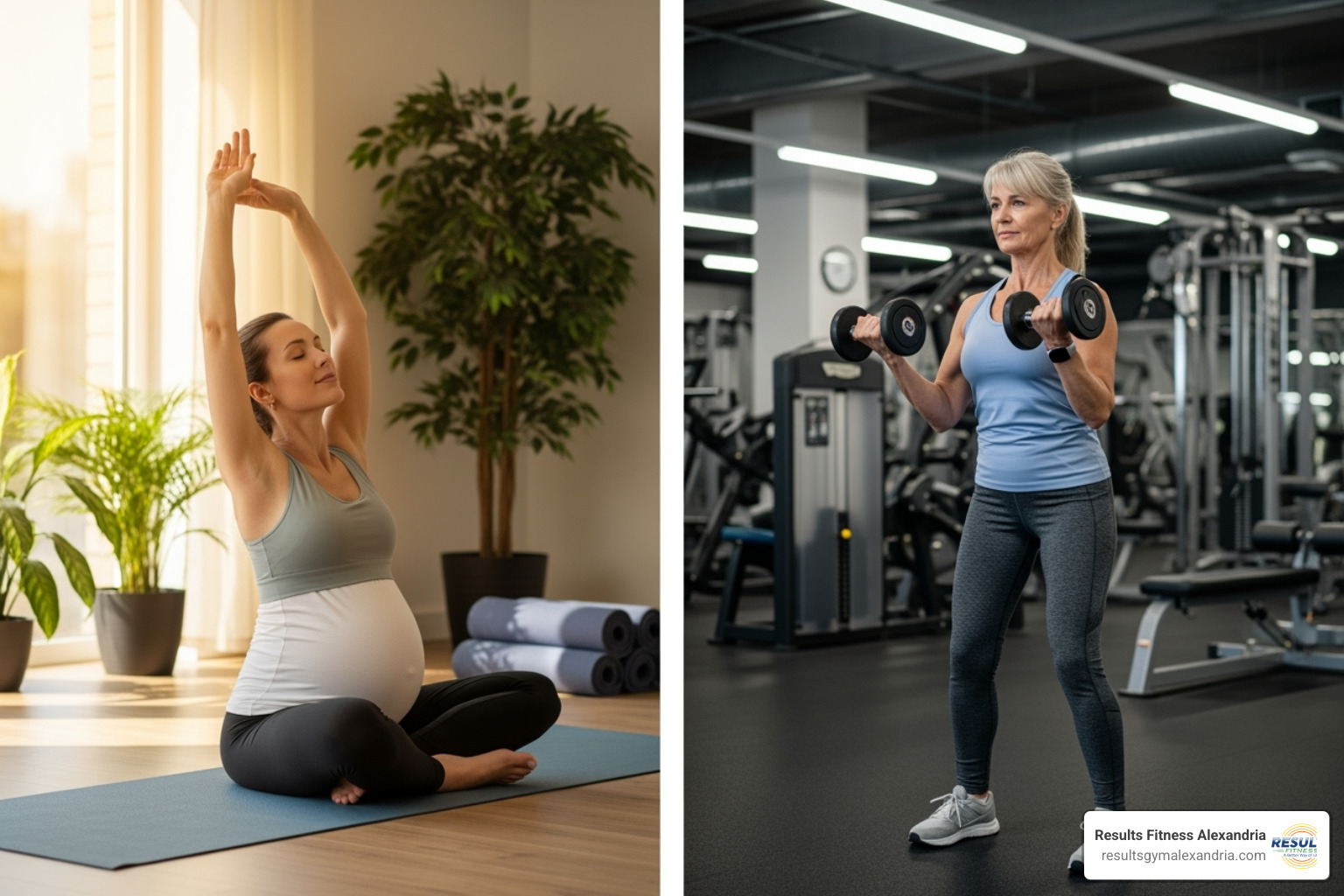
Understanding your unique physiology isn’t about accepting limitations—it’s about open uping your body’s incredible potential at every stage of life.
The Core Components of Women’s Health and Fitness
When it comes to womens health and fitness, think of it like building a house—you need a solid foundation of several key components. Each piece works together to create a strong, resilient body.
The Power of Strength Training
Let’s bust the biggest myth: “I don’t want to get bulky.” Our bodies aren’t built that way; we don’t have the testosterone levels to develop massive muscles by accident. What we do have is the ability to build lean muscle that transforms our health from the inside out.
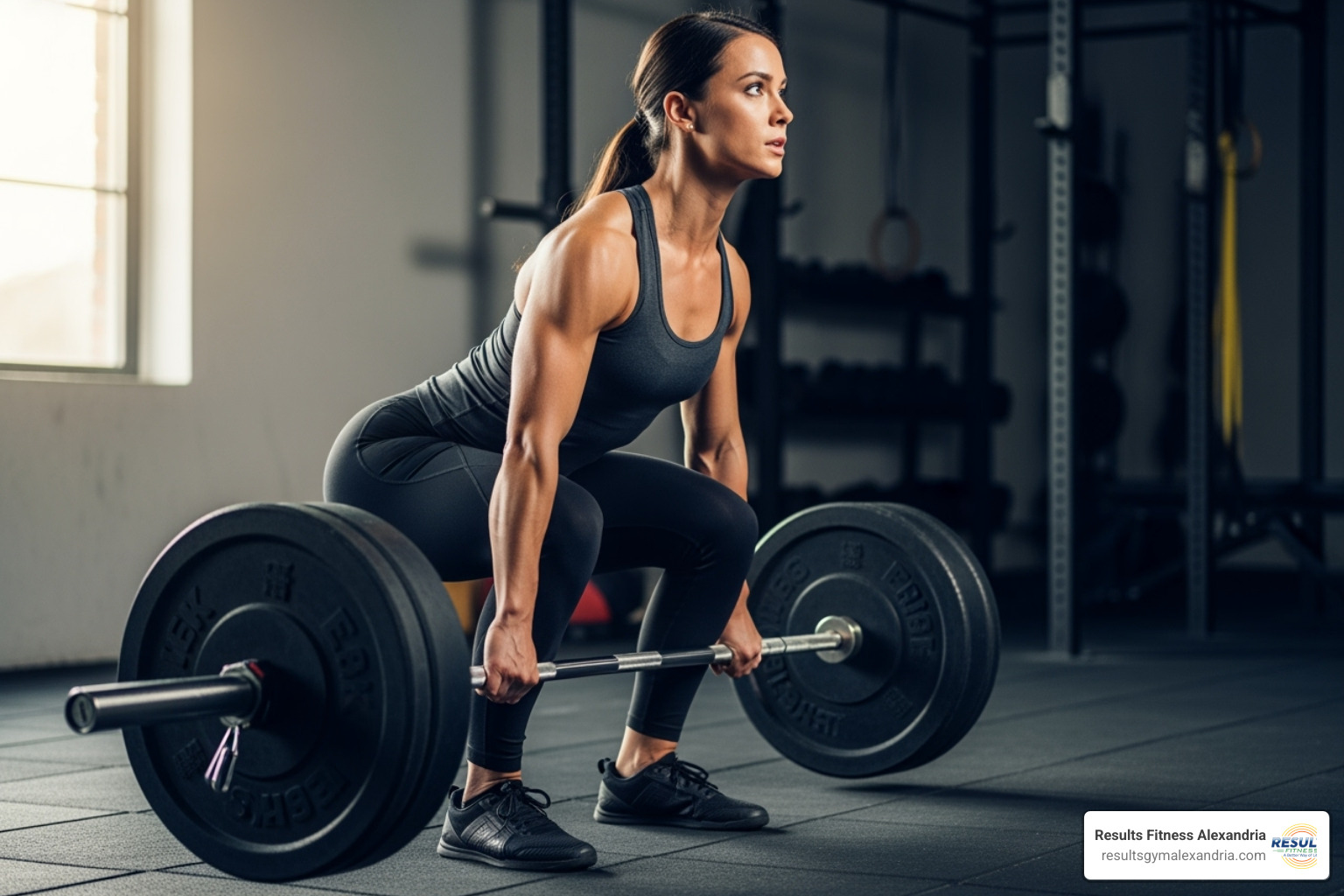
Strength training is a game-changer for women. When you build muscle, you’re boosting your metabolism, as muscle tissue burns more calories at rest.
But here’s where it gets really important: bone density. This is huge for us. After menopause, we lose bone density faster than men, increasing our risk for osteoporosis. Strength training is one of the most powerful ways to build and maintain strong bones.
The benefits don’t stop there. Regular strength training helps prevent arthritis by strengthening the muscles around your joints, meaning they don’t have to work as hard during daily activities.
Whether you’re just starting or ready to level up, we have resources to guide you. Check out our Beginner Weight Training for Women guide or dive deeper with our Strength Training for Women Complete Guide. You’ll find the 10 Benefits of Strength Training for Women that go far beyond what you might expect.
Cardio for a Stronger Heart and Mind
Your heart is a muscle, and it gets stronger with use. For women, cardiovascular health becomes even more critical as we age—our heart disease risk jumps dramatically after menopause. But cardio isn’t just about preventing disease; it’s about building the endurance and stamina for your day.
The mood-boosting effects of cardio are also incredible. Getting your heart pumping releases feel-good chemicals that naturally lift your mood.
HIIT (High-Intensity Interval Training) is perfect for busy women, offering maximum results in minimal time. Swimming is a fantastic full-body workout that’s gentle on joints, and research shows it’s particularly effective for middle-aged women, improving balance, strength, and blood lipids. Cycling builds powerful leg muscles while protecting your knees, and power walking can be surprisingly challenging.
Our Cardio Endurance Women Guide will help you find the right mix. For more insights on protecting your heart, explore our guide on Better Heart Health.
The Importance of Flexibility, Balance, and Core Strength
Flexibility, balance, and core strength are the unsung heroes of womens health and fitness. These components are essential for long-term health and quality of life.
Let’s start with pelvic floor health. Urinary incontinence affects up to one-third of women between ages 30-60. This isn’t something to just “deal with”—targeted exercises can prevent and improve these issues.
Your core stability is more than getting a flat stomach. Your core includes your pelvic floor, deep abdominal muscles, and back muscles working together to support your spine. A strong core improves posture, makes every other exercise more effective, and helps prevent back pain.
Mobility and injury prevention become increasingly important as we age. Good balance and flexibility aren’t just about touching your toes—they’re about preventing falls and maintaining independence.
We incorporate these elements through yoga-inspired stretching that improves flexibility and Pilates-inspired core work that builds strength through precise movements. These are foundational to feeling strong and moving well.
Learn more about How Yoga Can Help Improve Your Flexibility and explore the research on swimming for middle-aged women to understand how low-impact exercise supports overall health.
These three components—strength, cardio, and flexibility—work together to create a complete fitness foundation.
Fueling Your Body and Mind
Exercise is just one piece of the womens health and fitness puzzle. Nutrition, stress management, and rest all work together to create lasting wellness, with each element supporting the others.
Nutrition for Women’s Health and Fitness at Every Age
Your body’s nutritional needs change as you move through life, and understanding these shifts makes all the difference. It’s about giving your body what it needs to thrive, not just following the latest diet trend.
Calcium becomes increasingly important as we age, as women can face deficiencies after 40. This leads to low bone density and increases our risk for conditions like arthritis. Think dairy, leafy greens, and fortified foods.
Iron is another crucial nutrient, particularly during our reproductive years when menstruation can cause fatigue. If you feel exhausted for no reason, iron deficiency might be the culprit. Red meat, beans, and spinach can help.
During pregnancy or if you’re planning to become pregnant, folate is essential for healthy cell growth. This nutrient also supports overall cellular health. Find it in leafy greens, legumes, and fortified grains.
Protein needs often surprise women; we typically need more than we think, especially if we’re strength training. Your muscles need protein to repair and grow. Aim to include protein at each meal.
Don’t underestimate the power of hydration. Water affects everything from your metabolism to your energy levels. Proper hydration makes workouts feel easier and improves recovery.
Nutrition for muscle gain requires a balanced approach, meaning enough calories and well-timed protein to support your training.
The key is focusing on nutrient-dense foods. We believe in the best health and fitness tips backed by science to guide your choices. You can also monitor your Body Mass Index (BMI) as one indicator of health.

The Mental Health Benefits of Exercise
Every time you exercise, you’re not just working your muscles—you’re also giving your brain a boost. Physical activity is a natural antidepressant that also makes you stronger.
Stress management becomes easier with a regular exercise routine. Think of your workout as a daily stress reset. Our managing holiday stress with exercise approach works year-round.
Anxiety reduction happens naturally when you move your body. Focusing on your breathing or proper form can quiet anxious thoughts. It’s like meditation in motion.
The mood improvement from exercise is real. Your body releases endorphins—natural “feel-good” chemicals—and boosts serotonin, which improves mood and helps control cravings.
Increased confidence is one of the most life-changing benefits. As you get stronger, that confidence spills over into every area of your life. These victories matter.
Body image can be complicated, but exercise shifts your focus from how your body looks to what it can do. You start appreciating your body for its capabilities rather than criticizing its appearance.
The Critical Role of Sleep and Recovery
If you push hard in your workouts but skimp on sleep, you’re missing out. Recovery is when your body adapts and gets stronger from all your hard work.
Muscle repair happens primarily while you sleep. Your body releases growth hormone during deep sleep, which is essential for repairing and building muscle tissue.
Hormonal regulation depends heavily on quality sleep. Sleep deprivation throws off hormones that control hunger, stress, and energy, making weight management harder.
Stress reduction through proper sleep creates a positive cycle: better sleep means lower stress, which means better sleep.
Cognitive function improves dramatically when you’re well-rested. This affects everything from workout motivation to making better food choices.
Preventing burnout is crucial for maintaining a consistent womens health and fitness routine. Pushing through fatigue makes exercise feel like punishment, which isn’t sustainable.
Recovery is where your body adapts. We emphasize 10 post-workout recovery tips to maximize results because rest is just as important as the work.
Creating Your Personalized Wellness Plan
Every woman’s fitness journey is unique. Creating a personalized wellness plan means understanding your specific needs, acknowledging challenges, and building a support system that helps you thrive.
Overcoming Common Barriers to Exercise
We’ve all set ambitious fitness goals only to make excuses weeks later. Barriers to exercise are common, but they don’t have to derail your womens health and fitness journey.
Time constraints are probably the biggest culprit. The good news: you don’t need hours at the gym. Even three 10-minute walks a day add up. We can help you create an effective workout routine for beginners that fits into your real life.
Lack of motivation hits everyone. The secret isn’t constant motivation; it’s finding activities you genuinely enjoy. When you love what you’re doing, consistency is easier. We’ve put together 15 ways to find gym motivation when you feel like you can’t because we know it can be elusive.
Gym intimidation is real. Many women worry about not knowing how to use equipment or feeling judged. That’s why we focus on creating a welcoming, supportive environment for every woman.
The power of a workout buddy cannot be overstated. Having someone to share the journey with makes it more enjoyable and keeps you accountable. Here’s why you need an accountability partner to work out with. Group classes offer similar camaraderie, while setting small rewards and tracking your progress also provide incredible motivation.
Setting and Achieving Your Fitness Goals
Effective goal setting is crucial. Vague goals like “I want to get fit” rarely lead to lasting change. Instead, we encourage using SMART goals—Specific, Measurable, Achievable, Relevant, and Time-bound.
Instead of “I want to get stronger,” try “I will complete three 30-minute strength training sessions per week for the next 8 weeks.” This makes your goal tangible. We guide you through how to set realistic fitness goals that stick.
Progressive overload is your secret weapon for continued results. To keep getting stronger, you must gradually increase the demands on your body, such as lifting heavier, doing more reps, or increasing workout duration. Learn about the power of progressive overload and how it transforms your fitness.
Tracking your progress in a journal or app gives you invaluable data. Record your workouts, how you feel, and any changes you notice. This becomes your roadmap for adjustments and motivation.
Don’t forget to celebrate small wins. Adding 5 pounds to your deadlift or simply showing up consistently for two weeks—these victories matter and keep you motivated.

The Value of Professional Guidance
While self-guided fitness is possible, a personal trainer offers valuable benefits for women navigating their unique health needs. With over 14 years in this field, I know that personalized guidance makes an enormous difference in your results and safety.
A qualified trainer creates personalized plans for your body, goals, and limitations. They understand your life stage, hormonal profile, and the unique aspects of womens health and fitness, whether you’re dealing with postpartum recovery or perimenopausal changes.
Proper form is critical for safety and effectiveness. A trainer ensures you’re performing exercises correctly, minimizing injury risk and maximizing results. This is especially important for women who feel uncertain about technique.
Safety is crucial during sensitive periods like pregnancy, postpartum, or post-menopause. A knowledgeable trainer can guide you through appropriate modifications to keep you active and protected.
The accountability factor is powerful. Having someone to check in with provides extra motivation and helps you stay consistent.
Most importantly, professional guidance helps you maximize your results. With expert direction, you’ll work out more efficiently. Trainers specializing in women’s fitness understand the nuances of female physiology and can help you steer past common misconceptions, like the fear of “bulking up,” to build the strength you deserve.
Learn about the amazing benefits of working with a personal trainer and how to choose a personal trainer who aligns with your goals. Our team of Personal Trainers understands that your journey is unique, and we’re here to support you.
Conclusion
Your womens health and fitness journey is uniquely yours – and that’s exactly what makes it so powerful. Throughout this guide, we’ve explored how your body’s amazing design requires a thoughtful approach that honors your hormonal cycles, life stages, and individual needs.
Remember how we talked about strength training being your secret weapon against bone loss and metabolism slowdown? Or how cardio becomes even more crucial as your heart disease risk changes with age? These aren’t just fitness facts – they’re tools for lifelong wellness that start working the moment you begin.
Consistency beats perfection every single time. You don’t need to nail every workout or eat perfectly every day. What matters is showing up for yourself regularly, whether that means a 10-minute walk during your lunch break or a full strength training session on the weekend.
The truth is, strength comes in countless forms. Physical strength from lifting weights, mental strength from pushing through challenging days, and emotional strength from treating your body with kindness rather than criticism. Each type builds on the others, creating a foundation that supports you through every life stage.
Maybe you’re reading this while dealing with perimenopause symptoms, or perhaps you’re a new mom wondering how to rebuild your core strength. You might be in your twenties wanting to establish healthy habits, or in your sixties proving that age is just a number. Wherever you are in your journey, taking the next step is always possible.
At Results Fitness Alexandria, we understand that womens health and fitness isn’t one-size-fits-all. That’s why we’ve created our womens gym amenities specifically with your needs in mind – from pelvic floor considerations to hormone-friendly workout timing.
Your body has carried you this far and deserves to be celebrated, strengthened, and cared for. Whether your next step is booking that first personal training session, trying a new group fitness class, or simply committing to move more each day, you’re already on your way to a healthier, stronger version of yourself.
The journey to lifelong wellness starts with a single decision: choosing to invest in yourself. You’re worth it, and we’re here to support you every step of the way.