Exercise for cardiovascular endurance at home: Boost 2025
Why Building Cardiovascular Endurance at Home Matters
Exercise for cardiovascular endurance at home includes effective bodyweight movements that strengthen your heart and lungs without a gym. Here are some accessible options:
Beginner Exercises:
- Marching in place
- Butt kicks
- Arm circles
- Air squats
Intermediate Exercises:
- Jumping jacks
- Stair climbing
- Mountain climbers
- Squat jumps
Advanced Exercises:
- Burpees
- Plank jacks
- Speed skaters
- Inchworm crawl
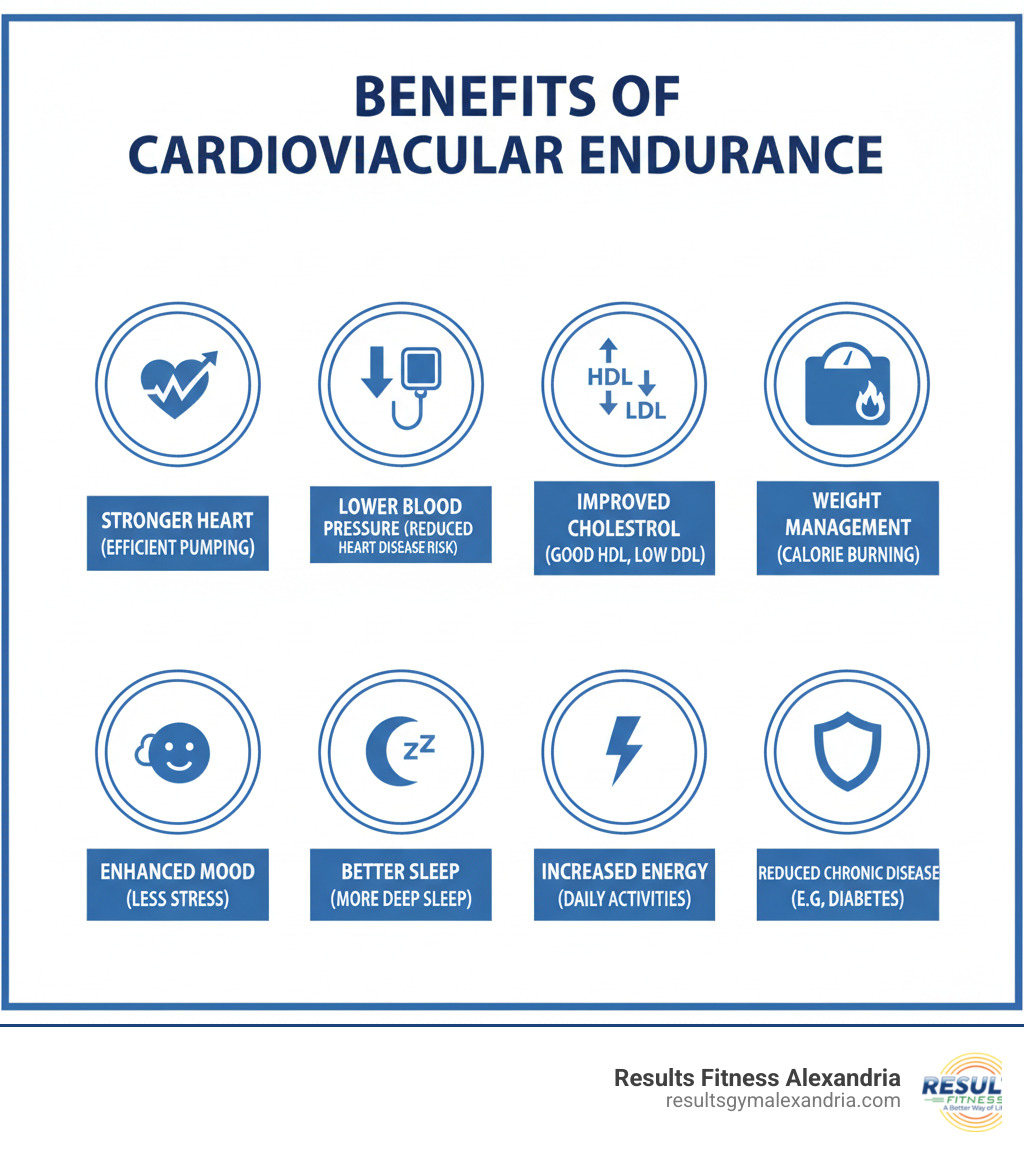
Cardiovascular endurance is how well your heart, lungs, and blood vessels supply oxygen to your muscles during sustained activity. Good endurance makes daily tasks like climbing stairs feel easier. Regular cardio helps lower blood pressure, reduce your risk of chronic diseases like type 2 diabetes and heart disease, improve sleep, and boost your mood.
The best part? You don’t need a gym. Adults should aim for at least 150 minutes of moderate-intensity exercise every week, which is just 30 minutes, five days a week. If you’re new to exercise, starting with 10 to 15 minutes a day is a great approach. The key is consistency over intensity.
Your living room can be your training ground. There are countless ways to get your heart pumping without leaving home, whether it’s during TV commercials or with a quick routine in your bedroom.
As Jennifer Rapchak, Fitness Director at Results Fitness Gym and a certified personal trainer with over 14 years of experience, I’ve helped countless individuals find effective home cardio routines. My background in HIIT and strength training has shown me that the most successful fitness journeys start with accessible, consistent routines.
Exercise for cardiovascular endurance at home definitions:
The Ultimate List of Exercises for Cardiovascular Endurance at Home
Building cardiovascular endurance doesn’t require fancy equipment. Your home can become your personal training ground. I’ve organized these bodyweight exercises by difficulty so you can start where you feel comfortable and progress at your own pace. The key is finding movements that lift your heart rate and keep it there.
Beginner-Friendly Exercises for Cardiovascular Endurance at Home
These gentle, low-impact movements are perfect for building a foundation and are easier on your joints while still getting your heart pumping.
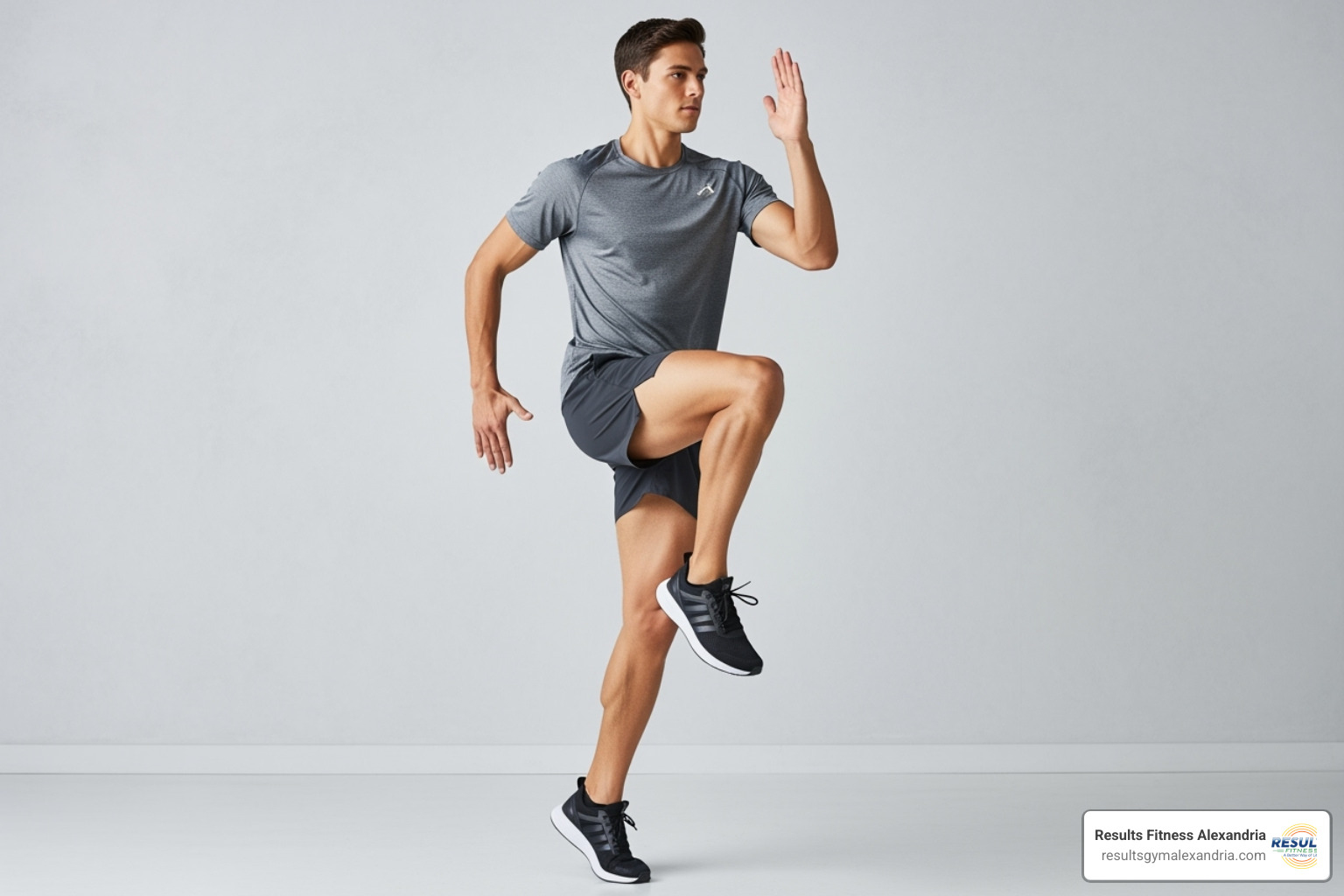
Marching in place is a great starter move. Stand tall, lift your knees high, and pump your arms. It’s one of the most accessible exercise for cardiovascular endurance at home options.
Butt kicks take marching up a notch. Bring your heels back toward your glutes with each step. This warms up your hamstrings and increases your heart rate without high impact.
Arm circles engage your upper body. Make large circles forward and backward. They contribute to your overall cardiovascular effort and make an excellent warm-up.
Air squats work your entire lower body. Stand with feet shoulder-width apart, keep your chest up, and lower your hips as if sitting in a chair. Push through your heels to stand. Performing these continuously will raise your heart rate while building leg strength.
These foundational exercises are effective for building the fitness you need to tackle more challenging workouts. As you get comfortable, increase the duration or pace. For a structured approach, check out our guide on Building Cardio Endurance for Beginners.
Intermediate Moves to Boost Intensity

Once you have a solid base, challenge yourself with these dynamic movements that will have you breathing harder and sweating more.
Jumping jacks are a classic full-body move that quickly lifts your heart rate. Jump your feet wide while bringing your arms overhead, then jump back to start. They’re a perfect exercise for cardiovascular endurance at home.
If you have stairs, you have a built-in cardio machine. Walking or running up and down stairs works your legs and gets your heart pumping. Try taking two steps at a time or increasing your speed for a serious workout.
Squat jumps transform a basic squat into a plyometric powerhouse. From your squat, explode upward, lifting both feet off the ground. Land softly back into a squat to protect your joints.
Lunge jumps add an explosive element to lunges. Start in a lunge, then jump up and switch your legs in mid-air, landing with the opposite leg forward. They are challenging but effective for building leg strength and endurance.
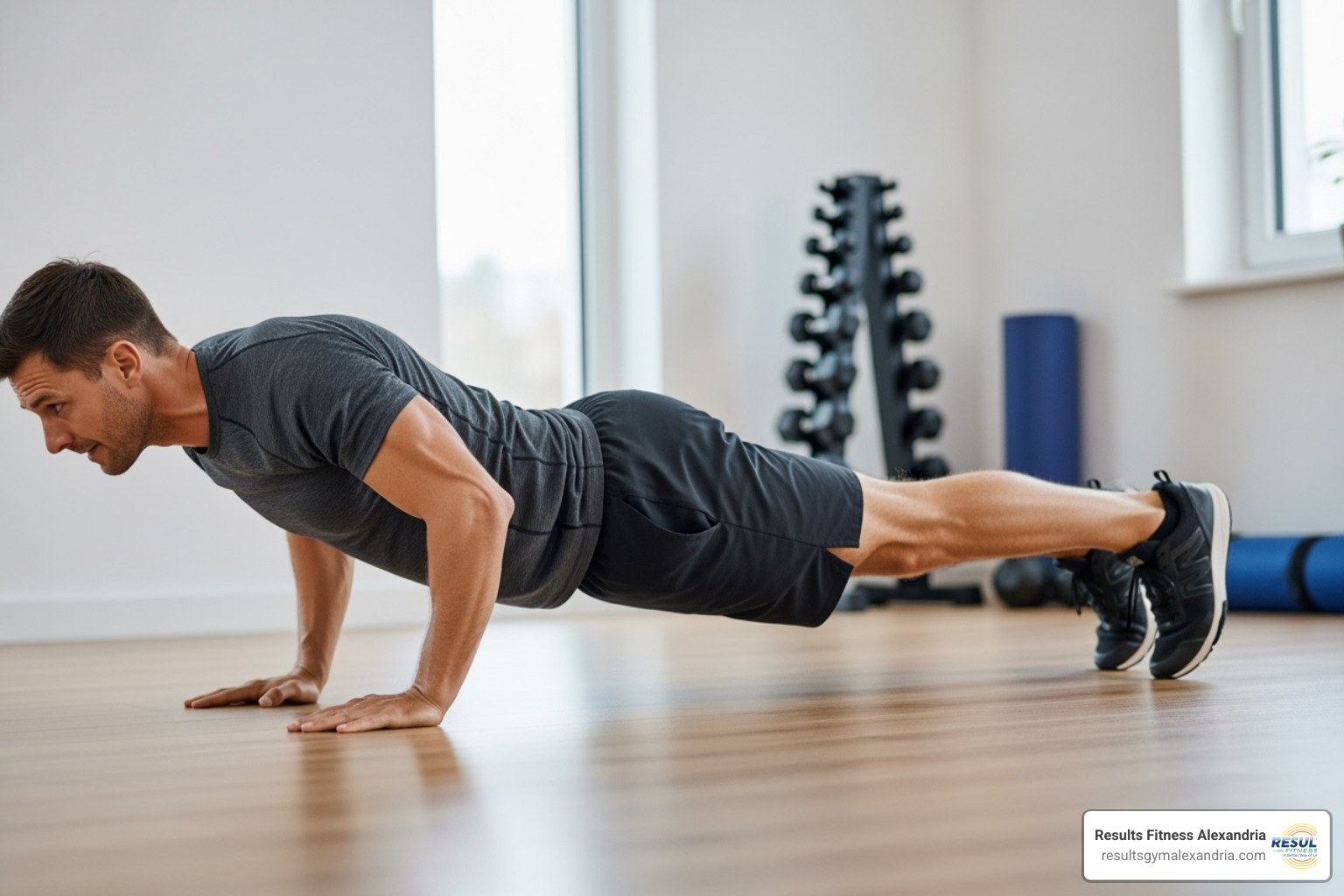
Mountain climbers are a dynamic, full-body move. In a high plank position, alternate driving your knees toward your chest. Keep your core tight and hips stable to work your core, legs, and shoulders while getting your heart racing.
These intermediate movements will significantly boost your stamina. For more strategies, explore our tips on Cardio Exercise for Stamina.
Advanced Exercises for Cardiovascular Endurance at Home
Ready for the ultimate challenge? These advanced movements demand maximum effort and a solid fitness foundation, but the results are worth it.
Burpees are the king of full-body cardio. Start standing, drop to a squat, kick your feet to a plank, do a push-up (optional), jump your feet back in, then explode into a jump. They’re tough but incredibly effective. Modify by skipping the push-up or stepping instead of jumping.
Plank jacks combine core stability with cardio. From a plank, jump your feet wide and back together, like a horizontal jumping jack. Your core works hard to keep you stable while your heart rate climbs.
Speed skaters mimic the lateral movement of ice skating. Hop sideways, landing on one leg while sweeping the other behind you. This builds agility, balance, and gets your heart pounding.
Inchworm crawls are a full-body challenge. From standing, walk your hands out to a plank, do a push-up, then walk your feet toward your hands. Stand and repeat. This works everything from your shoulders to your hamstrings.
These advanced exercises will push you to new levels of fitness. If you’re ready to test your limits, consider incorporating them into your Ultimate Endurance Challenge.
Creating Your Home Cardio Plan
Having a list of exercises is great, but a plan is what creates real change. This is your roadmap to building lasting cardiovascular endurance without feeling overwhelmed.
How Often and How Long Should You Exercise?
How much cardio do you actually need? The Physical Activity Guidelines for Americans recommend that adults aim for 150 to 300 minutes of moderate-intensity activity or 75 minutes of vigorous-intensity aerobic activity per week.
For moderate-intensity exercise for cardiovascular endurance at home, you should be able to chat but are breathing harder than normal. This could be brisk marching or continuous air squats. That’s just 30 minutes a day, five days a week. With vigorous-intensity workouts like burpees or squat jumps, you’ll only be able to speak a few words at a time.
If you’re just starting, 10 to 15 minutes a day is a smart way to begin. The most important thing is consistency over intensity. Aim to work out 3 to 5 days per week, and you’ll notice real improvements. You can do one 30-minute session or break it into three 10-minute bursts throughout your day. Every minute counts! Need help structuring your week? Check out our Daily Cardio Routine for inspiration.
Adding Variety and High-Intensity Interval Training (HIIT)
Doing the same workout daily gets boring, and your body adapts, stalling progress. Variety is key for long-term success because it prevents boredom and works different muscles.
Mix and match exercises from all difficulty levels. This approach keeps your mind engaged and your body guessing. One great way to add variety is through circuit training. Perform 45 seconds of one exercise, take 30 seconds to rest, then move to the next. Repeat this pattern through 4-6 different movements, then start the whole circuit over. This format keeps your heart rate liftd while giving muscle groups brief recovery.
High-Intensity Interval Training (HIIT) alternates brief periods of all-out effort with recovery periods. Research shows that HIIT can improve cardiovascular endurance by 38% to 79%. We love HIIT because it delivers maximum benefits in minimal time.
Here’s how to safely incorporate HIIT: try a 20-second sprint of intense exercise (like burpees) followed by 40 seconds of rest or light activity (like slow marching). Repeat this cycle for 15-20 minutes. Always warm up for 5-10 minutes before HIIT, and limit these sessions to two or three times per week to allow for recovery.
If you’re new to HIIT, start with longer rest periods and shorter work intervals. Combining varied exercises with strategic HIIT sessions creates a powerful approach to Cardio Training for Better Endurance.
Safety, Progress, and Motivation
Now that you know the what and how of exercise for cardiovascular endurance at home, let’s cover the essentials for a safe, effective, and enjoyable journey. This is your roadmap for staying injury-free and motivated.
Key Safety and Injury Prevention Tips
Prioritizing safety is crucial, as an injury can derail your progress. Here are our top tips:
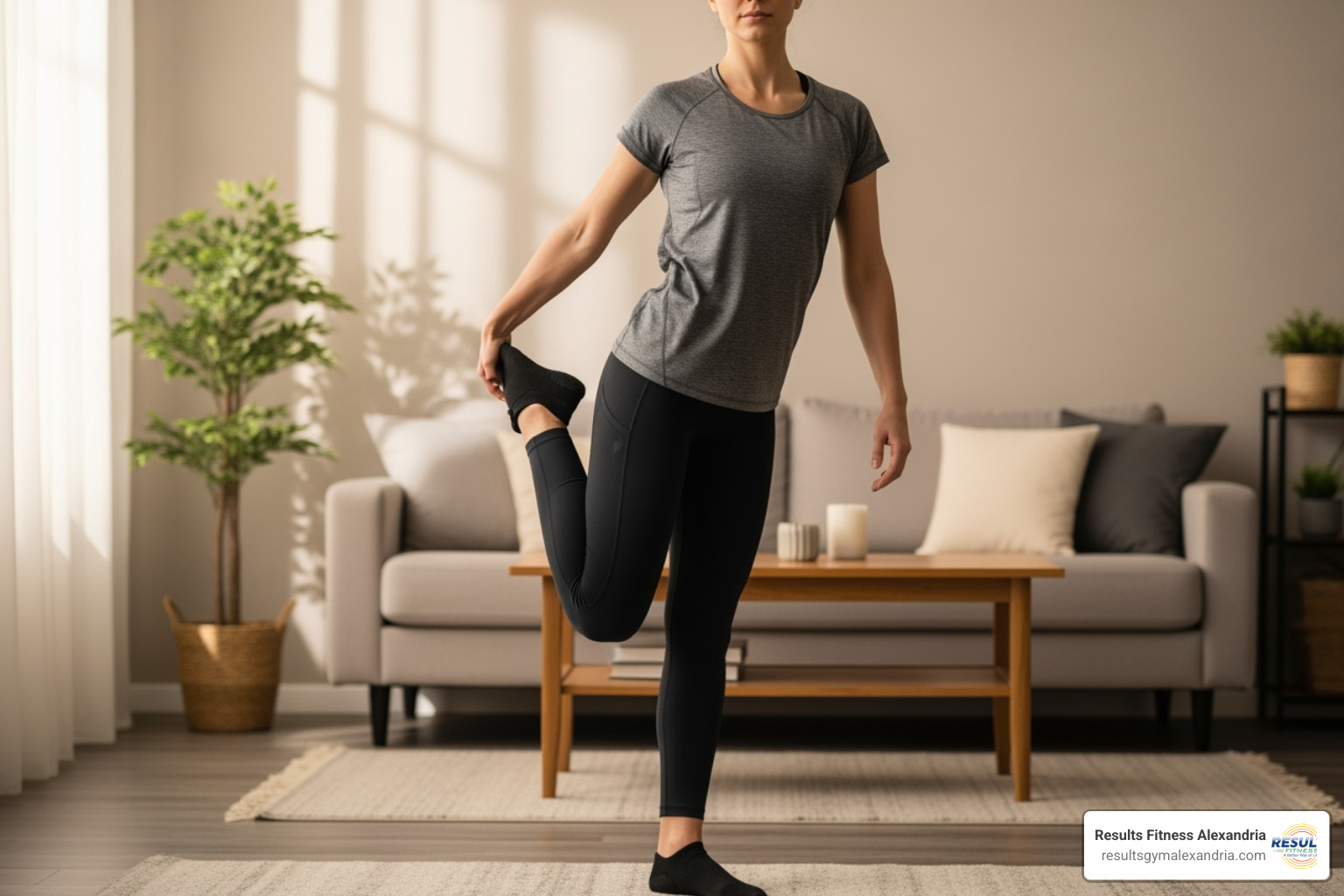
- Warm-up properly. Spend 5-10 minutes on low-impact movements like marching or arm circles. This gradually increases your heart rate and warms up muscles, reducing injury risk.
- Cool down. In the last 5-10 minutes of your workout, slow down to let your heart rate return to normal, then do some light stretching to prevent muscle soreness.
- Focus on proper form. Correct form always beats speed or quantity. Poor form is a leading cause of injury. If you’re unsure, watch videos from reputable sources.
- Listen to your body. There’s a difference between the discomfort of effort and actual pain. Sharp or persistent pain is a signal to stop. Rest is better than pushing through and getting sidelined.
- Create a safe space. Clear enough room to move freely, make sure rugs are stable, and wear non-skid shoes. Keep water nearby and stay hydrated.
- Consult your doctor. If you’re new to exercise, returning from a break, or have pre-existing health conditions like Cardiovascular Disease, it’s wise to consult your doctor before starting a new program.
How to Measure Progress and Stay Motivated
Building endurance is a journey. Knowing how to measure progress and stay motivated is key to long-term success.
- Use the RPE scale. The Rate of Perceived Exertion (RPE) scale goes from 0 (rest) to 10 (max effort). Aim for a moderate intensity (RPE 3-4), where you can talk, or a vigorous intensity (RPE 5-7), where you can only speak a few words. Increasing your RPE over time shows progress.
- Try the “talk test.” If you can sing, you’re taking it easy. If you can hold a conversation, you’re at a moderate intensity. If you can only manage a few words, you’re working vigorously.
- Track your workouts. Keep a simple log of your exercises, duration, and how hard it felt. Seeing patterns of improvement—more reps, longer duration—is incredibly motivating.
- Set realistic goals. Aim for small, achievable milestones, like adding five minutes to your workout each week. Celebrating these small wins builds momentum.
- Find what you enjoy. The best workout is the one you’ll actually do. Experiment with different exercises or dance to your favorite music. Fitness should energize you.
Variety keeps things fresh and your body guessing. When you enjoy what you’re doing and see progress, consistency becomes natural. Building a sustainable Cardiovascular Fitness Program takes dedication, but these strategies set you up for success.
Frequently Asked Questions about Home Cardio
We hear these questions all the time. Here are straightforward answers about building your cardiovascular endurance from home.
How much cardio do I need to improve endurance?
Health authorities recommend at least 150 minutes of moderate-intensity or 75 minutes of vigorous-intensity exercise per week. This can be 30 minutes, five days a week, or broken into shorter 10-minute sessions. If you’re new to exercise for cardiovascular endurance at home, start with 10-15 minutes a day. Consistency is more important than intensity for building a solid foundation.
Can I really build endurance with just bodyweight exercises?
Yes, absolutely. The key is progressive overload—continually challenging your body as it adapts. You can increase the duration or reps of your exercises, decrease your rest time, or progress to more challenging movements like squat jumps. Your body responds to the challenge you give it, not the equipment you use. Consistent bodyweight training will lead to real, measurable improvements in your endurance.
Is it better to do long, slow cardio or short, fast HIIT?
Both are valuable tools for your fitness toolbox. Long, slow cardio (maintaining a moderate intensity for 30-60 minutes) builds a strong aerobic base and is gentler on the body. Short, fast HIIT alternates high-intensity bursts with recovery and is incredibly effective for improving your maximum capacity in less time. For optimal results, a balanced approach often includes a mix of both throughout the week. For a more detailed understanding, refer to our Aerobic Exercise Complete Guide.
Take Your Cardio Endurance to the Next Level
You’ve got this! Improving your exercise for cardiovascular endurance at home is absolutely within your reach. With consistency, proper form, and a smart plan, you can dramatically boost your heart health and energy levels from the comfort of your living room.
We’ve covered everything from beginner marches to advanced burpees. The key is to start where you are and progress at your own pace. Remember the fundamentals: warm up, cool down, and listen to your body. Pain is a signal to pause, not to push through. Keeping your routine fresh with circuit training and HIIT will prevent boredom and challenge your cardiovascular system in new ways.
For those of you in Alexandria who want to take your fitness journey even further, complementing your home routine with professional support can be a game-changer. At Results Fitness, we’ve created a welcoming environment where members of all fitness levels feel supported. Whether you’re interested in working with a certified personal trainer to perfect your technique or want to experience the energy of our group fitness classes, we’re here for you.
Our state-of-the-art cardio amenities offer everything from treadmills and ellipticals to rowing machines, giving you options to cross-train and challenge yourself. We know trying something new can be intimidating, so we’re offering a risk-free way to see what we have to offer.
Explore our top-tier cardio amenities and claim your free 1-day pass today! Come see how Results Fitness can support your cardiovascular endurance goals, whether you’re building on your home routine or looking for a complete fitness solution.