Womens Fitness Trainers: 4 Steps to Empower
Why Specialize in Women’s Fitness?
Womens fitness trainers are fitness professionals who specialize in understanding the unique physiological needs, goals, and challenges women face throughout their lives. These trainers design programs that address everything from hormonal fluctuations to bone density concerns, from prenatal safety to menopause management.
What makes a great women’s fitness trainer:
- Specialized certifications – Beyond basic personal training credentials, they hold certifications in areas like prenatal/postpartum fitness, corrective exercise, or nutrition coaching
- Understanding of female physiology – Knowledge of how hormones, menstrual cycles, pregnancy, and menopause affect training and recovery
- Diverse training methodologies – Expertise in strength training, HIIT, functional fitness, and progressive overload techniques
- Nutritional guidance – Ability to provide basic nutrition advice or collaborate with registered dietitians
- Empowerment focus – Commitment to building confidence and helping women feel strong, not just smaller
The demand for specialized womens fitness trainers is growing rapidly. The global online fitness market alone is projected to reach $110.9 billion by 2032, and women represent a significant portion of personal training clients. Many women specifically seek trainers who understand their unique needs—whether that’s navigating fitness during pregnancy, building strength after 40, or simply feeling comfortable in a gym environment that hasn’t always been welcoming.
The rise of female-focused fitness programs reflects a shift from “shrinking yourself” to getting stronger. As one trainer put it, strength training helps women “focus on getting strong and learning to move well,” leading to increased confidence that spills over into all areas of life. This empowerment-centered approach is what sets specialized womens fitness trainers apart.
I’m Jennifer Rapchak, Fitness Director at Results Fitness Alexandria, with over 14 years of experience as an ACE-certified personal trainer specializing in helping women achieve their strength and fitness goals. Throughout my career, I’ve mentored numerous womens fitness trainers and developed programs specifically designed to empower women through structured workouts and personalized coaching.
Basic womens fitness trainers glossary:
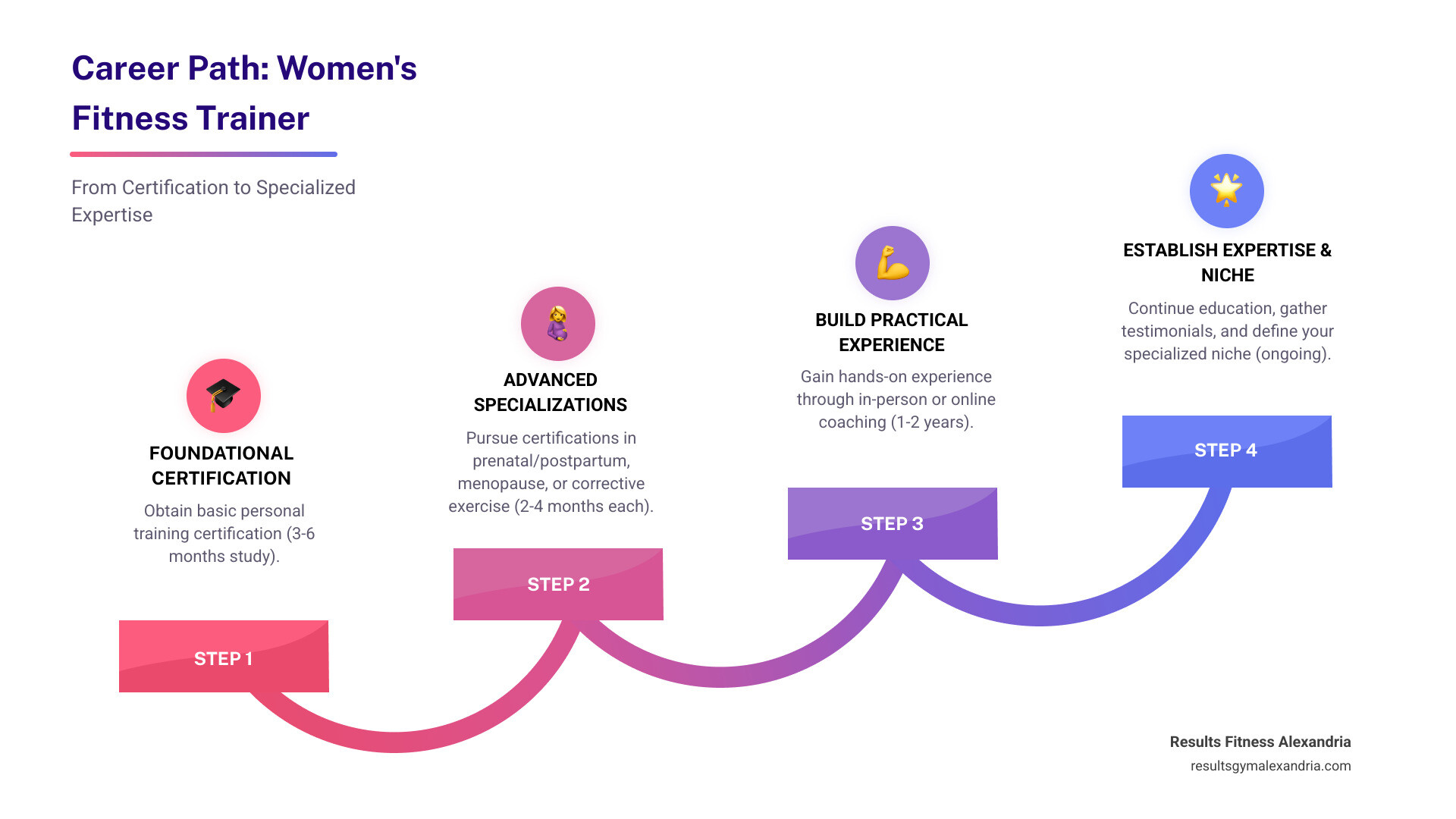
Step 1: Foundational Certifications and Education
To become an effective womens fitness trainer, the journey begins with a solid educational foundation. This means acquiring accredited personal training certifications and understanding the core principles of exercise science. Think of this as building the bedrock upon which all your specialized knowledge will rest. With an estimated 350,000 certified personal trainers in the US, standing out requires both foundational knowledge and specialized expertise.

Our first step is to dive into accredited programs that cover essential topics like anatomy and physiology, exercise science principles, and basic programming. These foundational courses are crucial for understanding how the human body moves, adapts, and responds to various forms of exercise. This knowledge allows us to design safe, effective, and progressive workout plans for our clients. It also lays the groundwork for understanding the unique physiological aspects of women’s bodies that we’ll address in later stages. For more detailed information on tailoring programs, check out our guide on personal training for women.
Choosing Your Core Certification
When it comes to selecting a core personal training certification, we look for programs that are nationally recognized and accredited. This ensures that the knowledge we gain is comprehensive and respected within the industry. Key considerations include:
- Accreditation Importance: Always choose a certification that is accredited by a reputable body. This signifies that the program meets high educational standards and is recognized by employers and clients alike.
- Program Content: Evaluate the curriculum to ensure it covers all the essentials: exercise physiology, biomechanics, client assessment, program design, safety protocols, and professional ethics.
- Cost and Format: Certification program costs can vary significantly, from a few hundred to several thousand dollars. Many offer both online and in-person study options, allowing for flexibility to fit different lifestyles. Online study can be convenient, but in-person workshops often provide valuable hands-on experience.
- Recertification Requirements: Understand the continuing education credits (CECs) and recertification processes. Maintaining our certification demonstrates ongoing commitment to professional development and staying current with industry best practices.
Building a Strong Educational Base
Beyond initial certification, a truly exceptional womens fitness trainer is committed to lifelong learning. The fitness landscape is constantly evolving, and so too should our knowledge base.
- Continuing Education Credits (CECs): These are essential for maintaining certifications and expanding our expertise. CECs can be earned through workshops, seminars, online courses, and specialized certifications. They allow us to dig deeper into specific areas of interest or client needs.
- Workshops and Seminars: Attending these events provides practical skills, networking opportunities, and insights into new training methodologies. They are invaluable for hands-on learning and staying ahead of the curve.
- Importance of a Sports Science Degree: While not always mandatory, a degree in kinesiology, exercise science, or a related field provides a comprehensive theoretical understanding that can lift a trainer’s expertise. It offers a deeper dive into the scientific principles underpinning fitness and human performance. As Mali Pelham, a certified personal trainer, emphasizes, understanding the nuances of how the body works is crucial for effective and safe training. Her perspective highlights the importance of a well-rounded educational background in fitness.
By investing in a robust educational foundation, we equip ourselves with the knowledge and credibility to effectively serve our female clients, ensuring they receive the highest quality of care and guidance.
Step 2: Advanced Specializations for Women’s Fitness Trainers
Once we’ve established a strong foundation with core certifications, the next crucial step is to specialize. This is where a womens fitness trainer truly distinguishes themselves, moving beyond general fitness to address the specific, nuanced needs of female clients throughout their unique life stages. This specialization allows us to build deep expertise and carve out a niche market, offering highly targeted and effective coaching.
Women’s bodies undergo significant physiological changes throughout their lives, from puberty and adolescence, through childbearing years, and into menopause and active aging. A specialized trainer understands these shifts and how they impact exercise, recovery, and overall well-being. This client-specific approach is not just about physical training; it’s about empowerment, safety, and fostering a deep understanding of one’s own body.
Prenatal and Postpartum Fitness
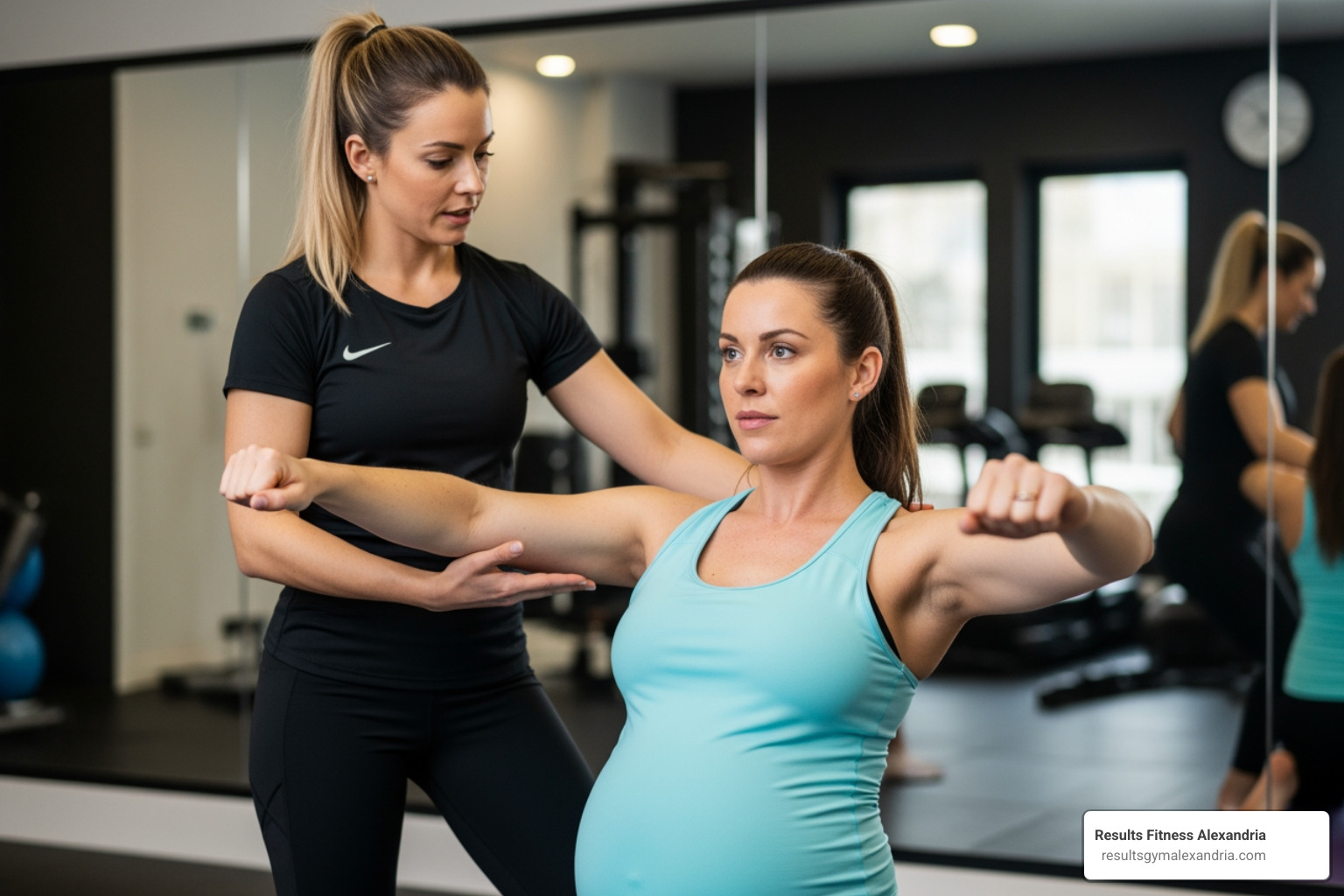
Perhaps one of the most critical areas of specialization for womens fitness trainers is prenatal and postpartum fitness. This period presents a unique set of physiological changes and challenges that require expert guidance.
- Physiological Changes During Pregnancy: We learn about the hormonal shifts, changes in posture and balance, cardiovascular adaptations, and musculoskeletal alterations that occur. Understanding these changes is paramount to designing safe and beneficial exercise programs.
- Safe Exercise Modifications: Knowledge of how to modify exercises to accommodate a growing belly, relaxin-induced joint laxity, and potential complications is essential. Our goal is to maintain strength, endurance, and overall well-being while protecting both mother and baby.
- Core and Pelvic Floor Health: This is a cornerstone of prenatal and postpartum training. We focus on exercises that support and strengthen the deep core muscles and pelvic floor, crucial for preventing dysfunction and aiding recovery.
- Postpartum Recovery Protocols: We guide new mothers through a gradual and safe return to exercise, addressing common postpartum issues like diastasis recti, pelvic organ prolapse, and fatigue. Programs like ‘Plus+1’ pregnancy training highlight the growing need for specialized support in this area. For more insights into how strength training benefits women at all stages, explore our strength training for women complete guide.
Training Across the Female Lifespan
Beyond pregnancy, a specialized womens fitness trainer considers the entire female lifespan, adapting programs to various stages and their associated hormonal and physical considerations.
- Adolescent Athletes: We understand the unique growth and development phases, focusing on proper form, injury prevention, and building a positive relationship with exercise during formative years.
- Menopause-Specific Training: This involves addressing symptoms like hot flashes, bone density loss, muscle mass decline, and mood changes. Training strategies might include a greater emphasis on strength training to combat sarcopenia and osteoporosis, and stress reduction techniques. Many trainers recognize the importance of catering to women over 40, focusing on longevity and strength.
- Active Aging for Senior Women: Our focus here shifts to maintaining functional independence, balance, mobility, and strength to improve quality of life and prevent falls.
- Hormonal Considerations: Throughout a woman’s life, hormonal fluctuations can impact energy levels, recovery, and even motivation. A specialized trainer learns to recognize these patterns and adjust training plans accordingly.
Becoming a Specialist for Women’s Fitness Trainers
To truly excel, womens fitness trainers can pursue further specializations that cater to specific needs or goals within the female population:
- Corrective Exercise Specialization: This involves identifying and correcting muscular imbalances and movement dysfunctions that can lead to pain or injury. Athletic therapists, for instance, often possess this expertise, which is invaluable for helping clients move more efficiently and pain-free.
- Performance Improvement Specialization: For women looking to excel in specific sports or fitness challenges, this specialization focuses on advanced programming, periodization, and sport-specific conditioning.
- Weight Loss Specialization: While weight loss is a common goal, a specialized trainer approaches it with an understanding of women’s metabolism, hormonal influences, and sustainable lifestyle changes, moving away from restrictive diets and focusing on building strength and healthy habits.
By embracing these advanced specializations, we empower ourselves to provide unparalleled support and expertise to our female clients, addressing their needs with precision and empathy.
Step 3: Mastering Key Training Methodologies and Nutrition
As dedicated womens fitness trainers, our expertise extends beyond understanding female physiology; it encompasses mastering diverse training methodologies and integrating sound nutritional guidance. This holistic approach ensures we can create comprehensive, effective, and sustainable fitness plans for our clients. The goal is not just to prescribe exercises, but to empower women to understand their bodies and achieve lasting results.
We dig into various training styles, recognizing that different approaches cater to different goals and preferences. From the power of progressive overload in strength training to the efficiency of HIIT and the practicality of functional fitness, a versatile trainer has a broad toolkit. The emphasis is always on proper form, mind-muscle connection, and consistent progression. For a deeper dive into structuring workouts, check out our complete women’s workout program.
The Role of Strength Training
Strength training is arguably the most impactful methodology for women, and it’s a cornerstone of what we teach. We actively work to debunk common myths that often deter women from lifting weights.
- Debunking Myths: We educate clients that strength training won’t make them “bulky” unless they specifically train and eat for that outcome. Instead, it creates a lean, toned physique.
- Building Lean Muscle: Increased muscle mass boosts metabolism, helping with fat loss and body recomposition. It also improves overall body composition and strength for daily activities.
- Bone Density Benefits: This is particularly crucial for women, as strength training is one of the most effective ways to improve or maintain bone mineral density, significantly reducing the risk of osteoporosis later in life.
- Confidence Building: Beyond the physical, strength training is a powerful tool for empowerment. As many trainers and clients attest, lifting weights makes women feel strong, capable, and confident, shifting the focus from “skinny” to “strong over everything.” This newfound confidence often spills over into other areas of life. We believe in the 10 benefits of strength training for women and see them realized daily.
Integrating Nutrition Coaching
While not always registered dietitians, womens fitness trainers play a vital role in integrating nutrition coaching within their scope of practice. We understand that fitness is 80% nutrition and 20% exercise.
- Scope of Practice for Trainers: We provide general nutrition guidance, focusing on healthy eating habits, balanced macronutrient intake, and the importance of whole foods. We understand our boundaries and refer clients to registered dietitians for individualized meal plans or clinical conditions.
- Macronutrient Basics: We educate clients on the roles of protein, carbohydrates, and fats in energy, recovery, and body composition. This knowledge empowers them to make informed food choices.
- Hydration Strategies: Emphasizing adequate water intake for performance, recovery, and overall health is a simple yet powerful aspect of our coaching.
- Collaborating with Nutrition Professionals: For clients with specific dietary needs, medical conditions, or advanced nutritional goals, we collaborate with qualified nutrition professionals. This ensures our clients receive comprehensive and expert care. As an expert nutrition coach emphasizes, a holistic approach is key, and personal trainers often work with individuals who also have nutrition coaches to achieve their goals.
By mastering these training methodologies and integrating responsible nutrition coaching, we provide a truly comprehensive service that addresses both the physical and dietary aspects of our clients’ fitness journeys, setting them up for long-term success.
Step 4: Launching Your Career and Building a Clientele
With our foundational knowledge and specialized expertise as womens fitness trainers firmly in place, the next exciting phase is launching our careers and building a thriving clientele. The fitness industry offers diverse avenues, from traditional in-person coaching to the rapidly expanding world of online fitness. The global online fitness market alone is projected to grow significantly, reaching $110.9 billion by 2032, highlighting the vast opportunities available.
Whether we choose to operate primarily in a gym setting or leverage digital platforms, effectively marketing ourselves and building a personal brand are paramount to success. It’s about connecting with women who need our specialized guidance and demonstrating the value we can bring to their fitness journeys.
In-Person vs. Online Coaching for Women’s Fitness Trainers
The choice between in-person and online coaching often depends on our business model, target audience, and personal preference. Many trainers find success blending both.
| Feature | In-Person Coaching | Online Coaching |
|---|---|---|
| Pros | Direct supervision, immediate feedback, stronger personal connection, hands-on form correction, motivating gym environment. | Greater reach (not geographically limited), flexible scheduling, often more cost-effective for clients, scalable business model. |
| Cons | Limited by geography and time, higher overhead costs, fewer clients per trainer, potentially higher cost for clients. | Requires client self-motivation, less direct supervision, technical issues can arise, potential for misinterpretation of exercises. |
| Client Communication | Face-to-face during sessions, quick check-ins. | Asynchronous messaging, video calls, dedicated apps. |
| Technology Use | Scheduling software, payment processing. | Comprehensive apps like TrueCoach for program delivery, tracking, and communication. Video conferencing. |
| Setting Rates | Typically hourly or package-based, higher per-session rate. | Monthly subscriptions, tiered programs (e.g., $45/month for basic access to $324/month for highly customized plans), often lower per-contact rate but higher volume. |
Online platforms have revolutionized how womens fitness trainers can reach and support clients. Apps like TrueCoach allow us to deliver customized programs, provide instructional videos for each movement, track progress, and maintain consistent communication, even across different time zones. This blend of technology and personalized coaching enables us to empower more women than ever before.
Finding and Retaining Clients
Building a successful practice as a womens fitness trainer requires proactive strategies for client acquisition and retention.
- Offering Consultations: A free introductory consultation, often 15 minutes, is an invaluable tool. It allows prospective clients to discuss their goals, assess compatibility, and understand our approach without commitment. This is where we listen intently to their needs and demonstrate our specialized understanding of women’s fitness.
- Creating Testimonials: Success stories are powerful. Encouraging satisfied clients to provide testimonials, whether written or video, builds trust and social proof. Hearing from other women who have achieved their goals with our help is incredibly motivating for new prospects. Many successful trainers showcase client changes prominently on their platforms.
- Social Media Presence: Platforms like Instagram and TikTok are excellent for showcasing our expertise, sharing valuable content, and connecting with potential clients. We can share workout tips, debunk myths, offer nutritional insights, and highlight our unique philosophy, such as “strong over skinny” or “femininity and strength are inseparable.”
- Networking in the Community: Even with a strong online presence, local connections are vital. Engaging with women’s health groups, local businesses, or community events in Alexandria, Virginia, can lead to referrals and build our reputation within the community.
Understanding how clients choose a personal trainer is key to tailoring our outreach efforts. By focusing on our specialized knowledge, demonstrating empathy, and providing tangible results, we can build a loyal clientele and a fulfilling career.
Frequently Asked Questions about Becoming a Women’s Fitness Trainer
How long does it take to become a certified personal trainer?
The time it takes to become a certified personal trainer can vary, but generally, for a foundational certification, it takes anywhere from 3 to 6 months of dedicated study. This includes preparing for and passing the certification exam. Advanced specializations, such as prenatal/postpartum fitness or corrective exercise, typically require an additional 2 to 4 months of study each. This means that to become a well-rounded womens fitness trainer with specialized knowledge, you might be looking at 6 to 12 months or more of concentrated education and certification.
How much can I expect to earn as a women’s fitness specialist?
Earnings for womens fitness trainers can vary widely based on location, experience, specialization, and whether you work in-person, online, or a hybrid model. In-person trainers often charge higher hourly rates, while online coaches can reach more clients with potentially lower per-client costs but higher volume. For instance, online training programs can range from $45 to over $300 per month per client, depending on the level of customization and support. As you gain more specialized certifications, build a strong reputation, and accumulate client success stories, your earning potential increases significantly. Some highly sought-after specialists can command premium rates due to their unique expertise.
Do I need to be a woman to be a successful women’s fitness trainer?
No, you do not necessarily need to be a woman to be a successful womens fitness trainer. While many women clients may prefer a female trainer due to relatability or comfort, a male trainer can absolutely excel in this specialization by demonstrating a deep understanding of female physiology, empathy, and respect for women’s unique fitness goals and challenges. What matters most is the trainer’s knowledge, certifications, communication skills, and ability to create a supportive and empowering environment for their clients. Any trainer, regardless of gender, who genuinely commits to learning about and addressing the specific needs of women can build a highly successful career in this field.
Conclusion: Start Your Empowering Career Path Today
The journey to becoming a certified womens fitness trainer is a rewarding path filled with continuous learning, specialization, and the immense satisfaction of empowering women through fitness. We’ve explored the essential steps, from building a strong educational foundation with accredited certifications to mastering advanced specializations like prenatal/postpartum fitness and training across the female lifespan. We’ve also digd into the critical role of diverse training methodologies, the power of strength training, and the importance of integrating sound nutrition coaching.
As the demand for specialized fitness professionals continues to grow, particularly in the online space, the opportunities for womens fitness trainers are expansive. By understanding the unique needs of women, fostering confidence, and providing expert guidance, we can make a profound impact on their lives, helping them achieve not just physical strength but also mental and emotional resilience.
The key to success lies in continuous learning, adapting to new research, and always putting the client’s unique needs at the forefront. At Results Fitness Alexandria, we value highly-qualified trainers who are passionate about helping women achieve their goals. We believe in the transformative power of specialized coaching and encourage aspiring trainers to start on this empowering career path.
Ready to experience a fitness environment designed with women in mind? Explore our women’s-focused gym amenities and see how our specialized approach can support your fitness journey.