Low impact exercise: Elevate Your Life 2026
Why Low-Impact Exercise is the Key to Moving More and Hurting Less
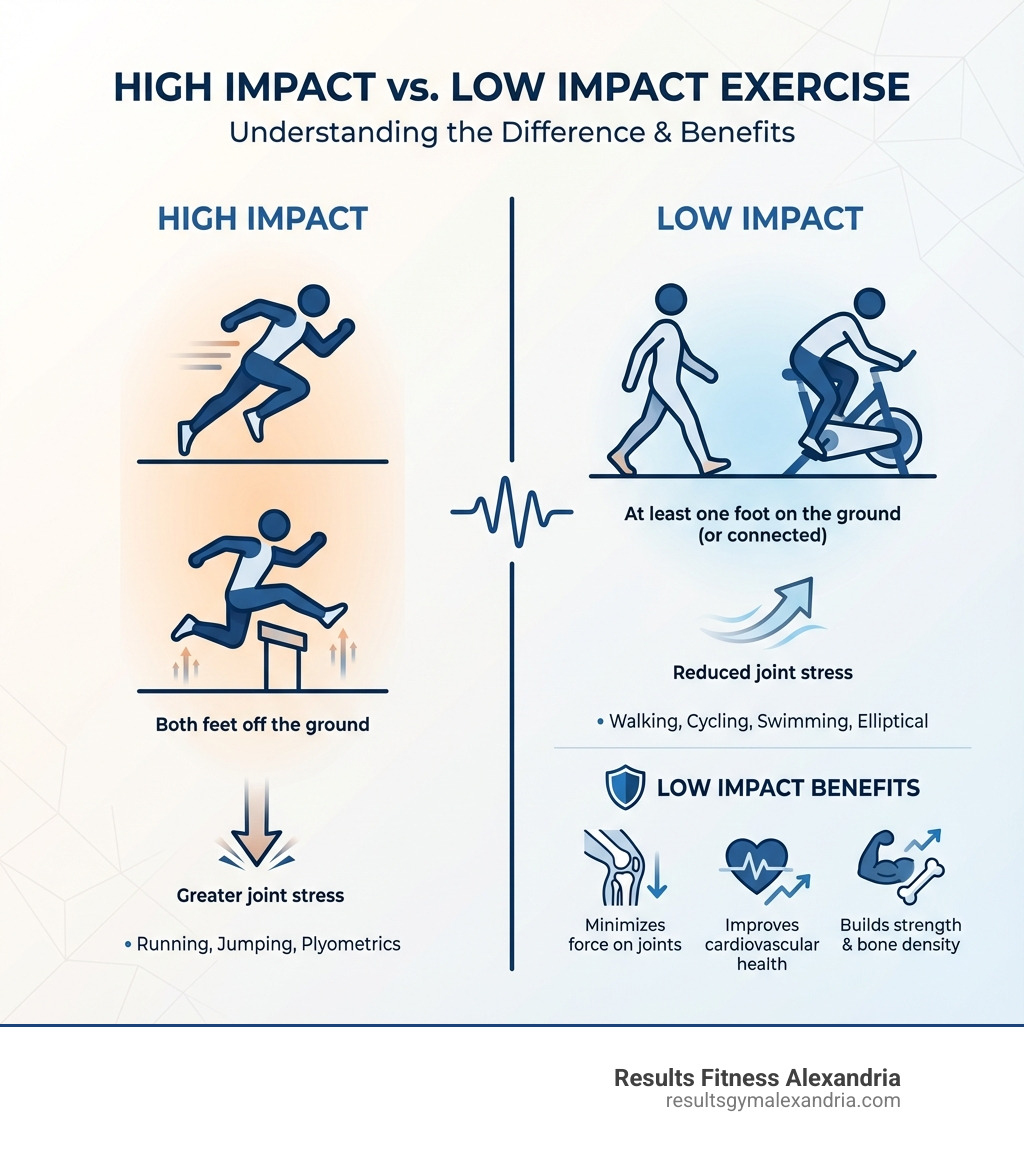
Low impact exercise is physical activity that minimizes stress on your joints while still providing an effective workout. Unlike high-impact activities where both feet leave the ground (like running or jumping), low-impact movements keep at least one foot, hand, or body part in contact with the ground or a supportive surface at all times.
Key characteristics of low-impact exercise:
- Reduces joint stress – Minimizes force on knees, hips, ankles, and spine
- Maintains cardiovascular benefits – Improves heart health and endurance
- Builds strength – Develops muscle mass and bone density
- Accessible for all fitness levels – Safe for beginners, older adults, and those with injuries
- Examples include – Walking, swimming, cycling, rowing, yoga, Pilates, and strength training
If you’ve ever felt like exercise should hurt less, you’re not alone. Many people believe they need to push through pain or perform intense, jarring movements to see results. The truth is simpler: low-impact doesn’t mean low-benefit.
Research shows that regular low-impact activity can prevent heart disease, diabetes, stroke, and certain cancers. Studies indicate that working out for just 150 to 299 minutes per week (that’s 2.5 to 5 hours) may significantly improve heart health and reduce cardiovascular disease risk. Even adding just 10 minutes of moderate activity per day could prevent around 110,000 deaths annually.
Whether you’re just starting your fitness journey, managing joint pain, recovering from an injury, or simply looking for a sustainable way to stay active, low-impact exercise offers a path forward that won’t leave you sidelined.
I’m Jennifer Rapchak, Fitness Director at Results Fitness Alexandria, and I’ve spent over 14 years helping people find that effective workouts don’t have to beat up your body. Throughout my career specializing in group fitness programming and personal training, I’ve seen countless individuals transform their health through low impact exercise that fits their lifestyle and protects their joints. The key is understanding what works for your body and building a routine you can stick with for the long term.
Key Low impact exercise vocabulary:
What is Low-Impact vs. High-Impact Exercise?
When we talk about “impact” in exercise, we’re referring to the amount of force that is placed on your body during movements, particularly on your bones and joints. This force is typically generated when your body makes contact with a surface, most often the ground. Think of it as a spectrum, with movements that generate a lot of force on one end and those that generate very little on the other.
Research suggests that regular exercise, including low impact exercise activities, is generally safer for joints when done correctly. Staying active can help keep our joints healthy and reduce the risk of disability over time.
High-impact exercises are those where both feet (or hands, for upper body movements) leave the ground simultaneously, creating significant force upon landing. Examples include:
- Running
- Jumping and hopping (e.g., jumping jacks, jump squats, box jumps)
- Plyometrics (explosive movements like burpees or mountain climbers with jumps)
- Sports like tennis, basketball, or track events
These activities can exert forces up to three times your body weight on your bones and joints, which can be beneficial for bone density for some, but also comes with a higher risk of stress and strain.
On the other hand, low impact exercise activities involve movements where at least one foot (or body part) remains in contact with the ground or a supportive surface at all times. This minimizes the jarring force on your joints. Examples include:
- Walking
- Swimming and water aerobics
- Cycling (stationary or outdoor)
- Rowing
- Elliptical training
- Yoga
- Pilates
- Strength training with weights or resistance bands
These exercises allow us to move freely and effectively without the constant pounding on our skeletal system.
Here’s a quick comparison:
| Feature | High-Impact Exercise | Low-Impact Exercise |
|---|---|---|
| Joint Stress | High (significant force on knees, hips, ankles, spine) | Low (minimal force, gentle on joints) |
| Bone Density | Can be highly effective for building bone density | Can contribute, especially with resistance/weight-bearing |
| Typical Activities | Running, jumping, plyometrics, tennis, basketball | Walking, swimming, cycling, rowing, yoga, Pilates, strength training |
| Key Characteristic | Both feet leave the ground | At least one foot/body part remains in contact |
The Difference Between Impact and Intensity
“Impact” is not the same as “intensity.”
- Impact refers to the force placed on your skeletal system—your bones and joints.
- Intensity is a measure of how much your cardiovascular system (heart and lungs) is working. High-intensity exercise means you’re breathing heavily with an liftd heart rate. You can learn more about exercise intensity to gauge your effort.
This distinction is important because you can absolutely have low impact exercise that is also high-intensity (LIHI). For example, a brisk walk up a steep hill, a cycling session, or intense rowing can get your heart rate soaring without any jumping or jarring movements. Conversely, you could do high-impact exercise at a low intensity, like gently jogging. The beauty of low impact exercise is that it allows us to push our cardiovascular limits and build strength without punishing our joints.
Who Should Consider Low-Impact Workouts?
Low impact exercise is incredibly versatile and beneficial for a wide range of individuals. We often recommend it for:
- Beginners: If you’re new to working out or returning after a long break, low-impact activities provide a safe entry point, helping you build a fitness base without excessive strain. For guidance on getting started, check out our insights on creating an effective workout routine for beginners.
- Older Adults: As we age, muscle mass naturally decreases, and joints can become more sensitive. Low-impact options help maintain muscle, bone density, and cardiovascular health while protecting delicate joints.
- Individuals with Arthritis or Osteoporosis: For those managing conditions like osteoarthritis or osteoporosis, low-impact movements are gentle on inflamed or fragile joints, allowing for consistent activity that can actually alleviate symptoms and strengthen supporting muscles.
- Injury Recovery: If you’re rehabilitating from an injury, low impact exercise allows you to stay active and promote healing without re-injuring yourself. Activities like swimming are often recommended because they’re so gentle.
- Pregnancy: Expectant mothers can safely engage in many low-impact activities to maintain fitness, manage weight, and prepare their bodies for childbirth.
- People with Joint Pain: Anyone experiencing chronic hip, knee, ankle, or back pain can find relief and sustained activity through low-impact alternatives.
Essentially, if you want to move more and hurt less, low impact exercise is a fantastic choice for you.
The Full-Body Benefits of Low-Impact Exercise
The advantages of incorporating low impact exercise into your routine extend far beyond just being gentle on your joints. These workouts offer a comprehensive suite of benefits that contribute to overall health and well-being.
One of the most significant benefits is reduced stress on joints and injury prevention. By minimizing the jarring forces, we protect our cartilage, ligaments, and bones from excessive wear and tear. This means we can exercise more consistently and for longer periods throughout our lives, reducing the risk of common exercise-related injuries that often sideline those engaged in high-impact activities.
Improved cardiovascular health is another cornerstone benefit. Even without jumping, low impact exercise can lift your heart rate and strengthen your heart and lungs. The American Heart Association recommends getting at least 150 minutes of moderate-intensity cardio exercise every week to keep your heart healthy, and going beyond that minimum can lower your risk of heart disease even more. Whether you’re cycling, swimming, or brisk walking, these activities contribute significantly to your better heart health and overall endurance. Regular physical activity, including low-impact activities, has been shown to prevent major health issues like heart disease, diabetes, stroke, and certain types of cancer.
Furthermore, low impact exercise helps with muscle mass maintenance and calorie burning. As we age, muscle mass naturally declines, which can slow metabolism. Low-impact strength training, in particular, helps to build and maintain this crucial muscle, which in turn helps our bodies burn calories more efficiently, even at rest. Consistent physical activity of any kind can lower our risk for many chronic conditions, including obesity, diabetes, depression, colon cancer, breast cancer, hypertension, osteoporosis, and osteoarthritis.
Mental and Emotional Well-being
Beyond the physical, low impact exercise plays a vital role in our mental and emotional health. Regular movement is a powerful tool for stress reduction and mood improvement. Walking outside, for example, is associated with boosted mood and reduced stress. The release of endorphins—our body’s natural feel-good chemicals—during exercise can combat feelings of anxiety and depression, leading to an overall sense of well-being. Studies have shown that even low-intensity exercise can improve anxiety and mood, especially in those with baseline symptoms. For more on how movement benefits your mind, explore the connections in mind-body fitness.
Engaging in low impact exercise can also lead to increased mental clarity. The focus required for activities like yoga or Pilates, combined with improved blood flow to the brain, can sharpen concentration and cognitive function. It’s a wonderful way to clear your head and gain perspective, leaving you feeling refreshed and ready to tackle challenges.
Building Strength and Bone Density
It’s a common misconception that only high-impact activities build strong bones. While high-impact can be effective, low impact exercise combined with resistance is also excellent for building stronger bones and increasing bone mineral density. Activities like strength training, even with light weights or bodyweight, put healthy stress on your bones, signaling them to become denser. For more on how strength training benefits us at every age, check out our article on the benefits of strength training for all ages.
These exercises also significantly contribute to improved balance and stability, which is crucial for preventing falls, especially as we get older. Tai Chi, a form of low-intensity exercise, has been shown to improve postural stability and reduce the risk of falls among at-risk elders. By strengthening core muscles and improving proprioception (our body’s sense of position), we improve our ability to move confidently and safely in daily life. This emphasis on functional movement is a core component of functional fitness, which helps us perform everyday tasks with greater ease and reduced injury risk.
Popular and Effective Low-Impact Exercise Examples
One of the best things about low impact exercise is the sheer variety available. There’s truly something for everyone, regardless of your preferences or fitness level. Here are some of our favorites:
Water-Based Workouts: Swimming and Aquatics
Water is a fantastic medium for low impact exercise due to its natural buoyancy. When you’re in the water, your body’s weight is significantly reduced, making activities incredibly gentle on your joints. Swimming is often considered one of the top low-impact exercises because it is less taxing on the body, with water making you more buoyant so your overall weight has a far lower impact on joints. It’s a full-body workout that engages muscles throughout your upper body, lower body, and core.
We offer a variety of aquatics classes that harness these benefits. From lap swimming for endurance to invigorating water aerobics, these classes provide an excellent way to boost cardiovascular fitness and strengthen muscles without any jarring impact. If you’re curious about how water workouts can help you achieve your goals, we have more information on how aquatic exercise can help you lose weight and get in shape.
Cardio Machines: Cycling, Elliptical, and Rowing
Cardio machines provide a controlled environment where you can easily adjust intensity without increasing impact.
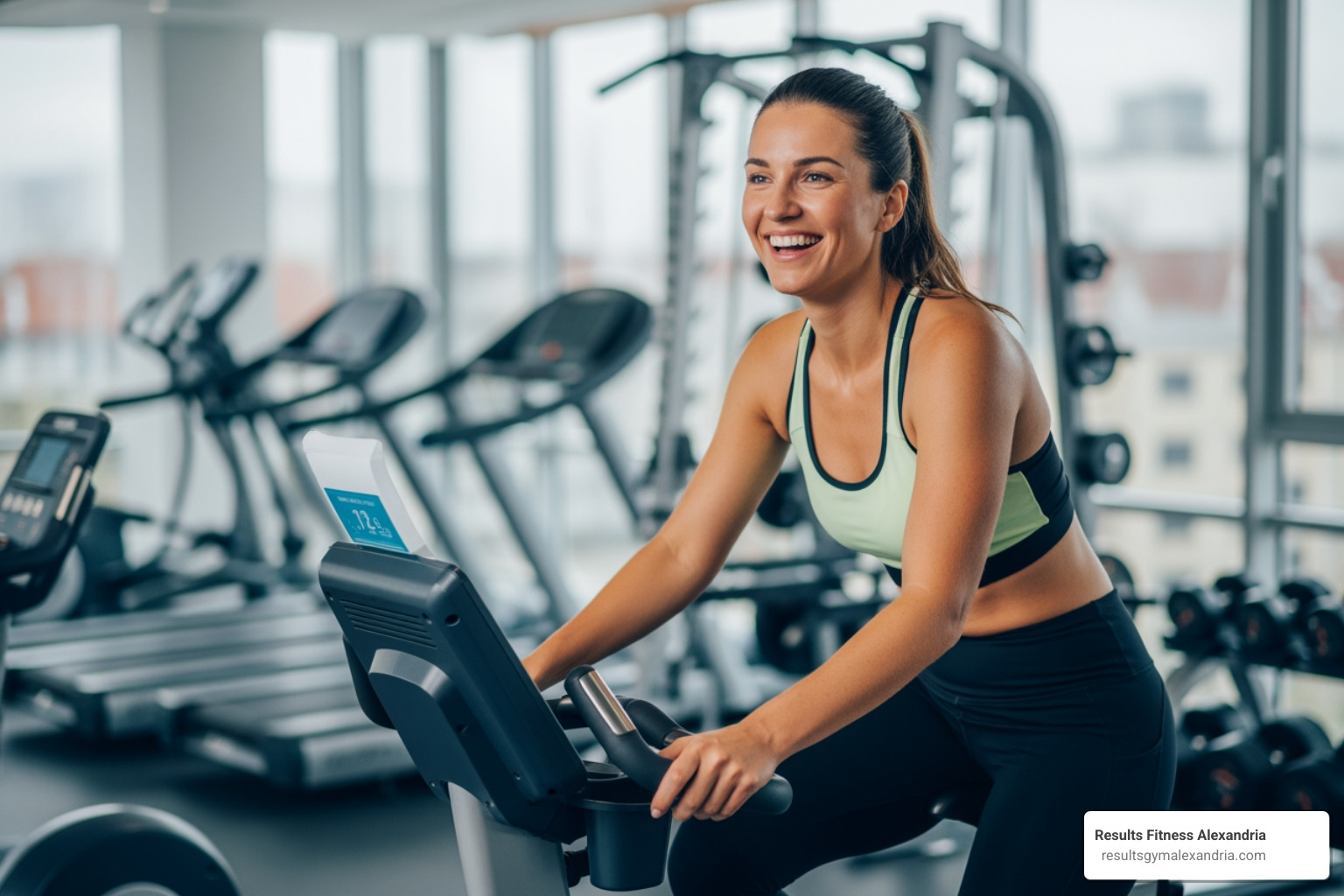
- Cycling: Whether on a stationary bike in a class or an outdoor ride, cycling is an intense, low-impact exercise. A 2019 study found that indoor cycling may improve aerobic capacity, blood pressure, lipid profile, and body composition. You can adjust the resistance and speed to challenge yourself, getting a great cardio workout that’s kind to your knees. It’s a key component of our low-impact cardio options and excellent for building cardio endurance.
- Elliptical Trainers: These machines offer a gliding motion that mimics running without the impact. Your feet remain in contact with the pedals, providing a smooth, fluid movement that works both your upper and lower body.
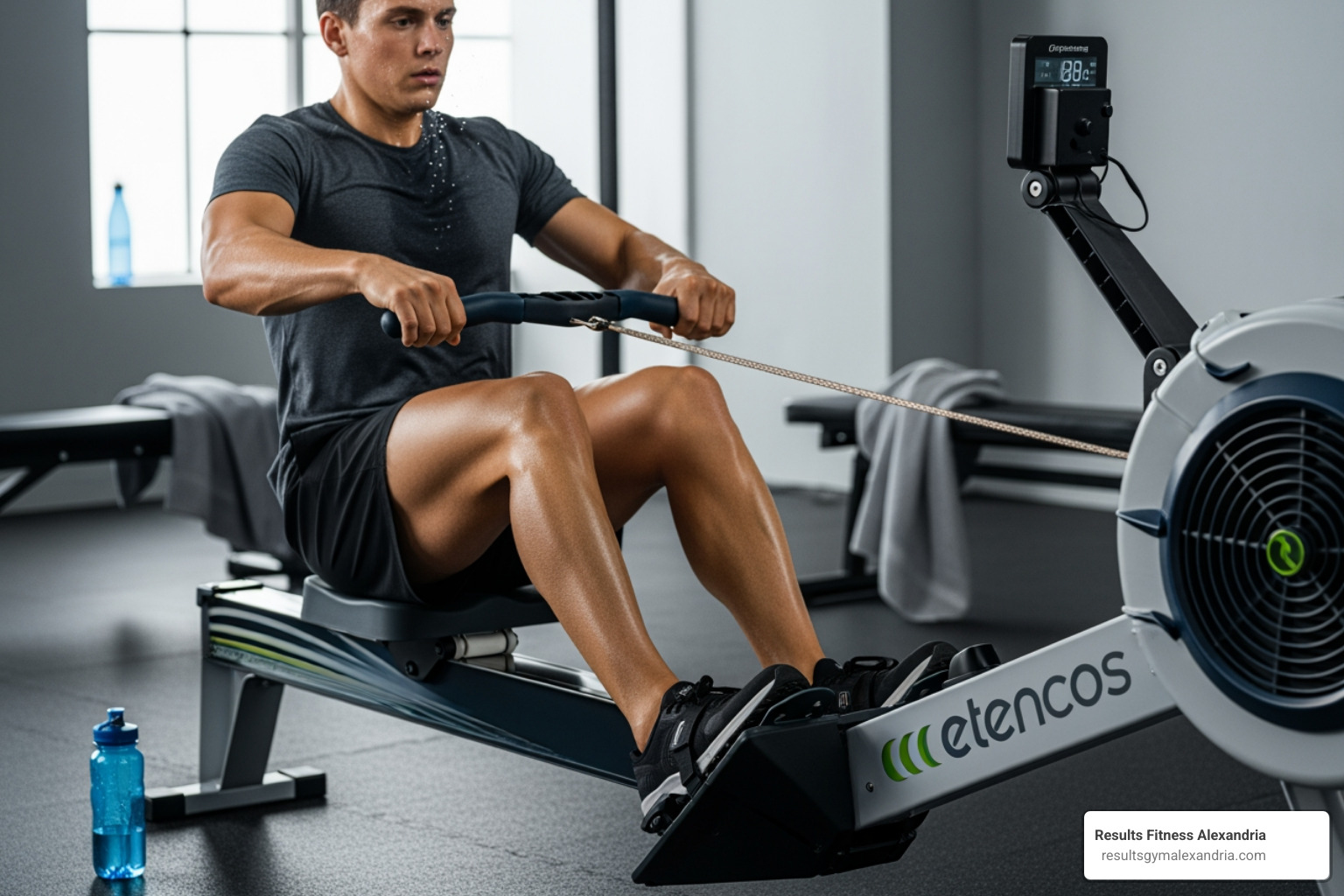
- Rowing Machines: Rowing is a full-body workout that targets your core, back, arms, and legs. It’s a non-weight-bearing exercise, making it incredibly effective for those with joint concerns. Proper form is key to maximize benefits and prevent strain, making it a fantastic addition to any low impact exercise routine.
Mind-Body Practices: Yoga and Pilates
These practices are not only gentle on the body but also foster a deep connection between mind and movement.
- Yoga: Regular yoga practice helps develop strength, balance, and flexibility. It can reduce stress, improve sleep quality, and even alleviate fatigue. We offer a range of yoga classes that cater to all levels, focusing on poses and flows that support joint health while building core stability.
- Pilates: This full-body workout focuses on exerting muscles through simple, safe movements to build core strength and improve body posture. Pilates is known for improving muscle flexion and strength, making it an excellent low impact exercise for rehabilitation and general conditioning. If you’re looking for focused core work, our Pilates circuit class can be a perfect fit.
Strength Training
Strength training is fundamental for everyone, and it can be entirely low-impact. It doesn’t have to mean lifting massive weights; it means challenging your muscles to grow stronger.
- Bodyweight Exercises: Squats, lunges, push-ups (modified on knees or against a wall), planks, and glute bridges are all effective low impact exercise that use your own body as resistance.
- Resistance Bands: These versatile tools add resistance to movements without adding impact, making them perfect for targeting specific muscle groups.
- Free Weights (Dumbbells, Kettlebells): Controlled movements with weights, such as bicep curls, overhead presses, or deadlifts with proper form, build lean muscle and strengthen bones without jarring motions. For those new to lifting, our beginner weight training for women guide is a great starting point. Building lean muscle is crucial for boosting metabolism and overall functional strength. This ties directly into functional strength training, which prepares your body for real-world movements.
How to Create Your Low-Impact Fitness Routine
Building a sustainable low impact exercise routine is about more than just picking activities; it’s about setting yourself up for success.
Setting Realistic Goals and Staying Motivated
The journey to better health is a marathon, not a sprint. We encourage you to:
- Start slowly: If you’re new to exercise, begin with shorter sessions and lower intensity. Gradually increase your activity level by a maximum of 10% each week to avoid burnout or injury.
- Progressive overload: To continue building strength and endurance, you’ll need to progressively challenge your body. This could mean increasing duration, resistance, or pace in your chosen low-impact activities.
- Aim for 150 minutes per week: The American Heart Association recommends at least 150 minutes of moderate-intensity activity weekly. This is a great target to work towards, and you can break it up any way you want—even short bursts throughout the day add up!
- Set realistic goals: Make your goals specific, measurable, achievable, relevant, and time-bound (SMART). Instead of “I want to get fit,” try “I will walk for 30 minutes, three times a week, for the next month.” For more tips, read our guide on how to set a fitness goal you can stick to.
- Find an accountability partner: Exercising with a friend or joining a group class can provide motivation and make your workouts more enjoyable.
- Track progress: Seeing how far you’ve come is incredibly motivating. Use a fitness tracker, a journal, or an app to log your activities.
Safety First: Warm-Ups, Cool-Downs, and Proper Form
Many people think warm-ups and cool-downs are only needed for serious workouts, but the truth is, taking time for these steps can make low impact exercise routines safer and more effective.
- Warm-ups (5-10 minutes): Prepare your muscles and cardiovascular system for activity. Light cardio and dynamic stretching (like arm circles or leg swings) increase blood flow and flexibility. Learn more about why warm-ups are effective.
- Cool-downs (5-10 minutes): Gradually bring your heart rate down and help prevent muscle soreness. Gentle cardio followed by static stretching (holding stretches for 20-30 seconds) is ideal.
- Proper form: Maintaining proper body alignment helps you target the right muscles, avoid injuries, and see better results from every workout. Don’t assume that because an exercise is low-impact, form is less important. It’s crucial for every movement. Read about the importance of proper body alignment to optimize your efforts.
- Listen to your body: Even with low impact exercise, overexertion can lead to injuries. Pay attention to any pain signals and adjust your activity accordingly. “Low-impact” is a spectrum, and your body’s needs can vary.
Getting Expert Guidance
If you’re unsure where to start or how to ensure proper form, seeking professional guidance can make all the difference. Working with a personal trainer can provide:
- Customized plans: A trainer can design a routine custom to your specific goals, fitness level, and any physical limitations.
- Form correction: They can observe your movements and provide real-time feedback to ensure you’re performing exercises safely and effectively.
- Motivation: A trainer can keep you accountable and help you stay motivated, especially on days when your enthusiasm wanes.
The amazing benefits of working with a personal trainer extend to all fitness levels, helping you maximize your results while minimizing risk.
Frequently Asked Questions about Low-Impact Exercise
Can you lose weight with only low-impact exercise?
Absolutely! The primary driver of weight loss is creating a calorie deficit—burning more calories than you consume. Low impact exercise can certainly help you achieve this. In fact, studies have shown that combining low-impact aerobics with strength training can be highly effective for improving body composition and building lean muscle, which is crucial for long-term weight management. One study comparing high-impact aerobics with a program of low-impact aerobics combined with strength training found that women in both groups improved body composition and cardiovascular health, but only the low-impact group built lean muscle.
The key is consistency and intensity. You can lift your heart rate and burn significant calories with activities like brisk walking, cycling, swimming, or rowing. Consistency is often more important than intensity when it comes to sustainable weight loss, and low-impact activities make it easier to stay consistent without injury.
Is low-impact exercise effective for building muscle?
Yes, low impact exercise is very effective for building muscle! Muscle growth (hypertrophy) is stimulated by challenging your muscles through resistance, a principle known as progressive overload. This can be achieved without any jumping or jarring movements.
You can build muscle effectively through:
- Strength training: Using bodyweight, resistance bands, or free weights. Focus on controlled movements, proper form, and gradually increasing the resistance or repetitions over time.
- Time under tension: Keeping your muscles engaged for longer periods during an exercise can increase its effectiveness for muscle building.
- Pilates and Yoga: These practices, particularly advanced forms, build significant core strength, stability, and muscle endurance.
For a deeper dive into how muscles grow, explore the science of building muscle: tips for effective strength training.
How do I make a low-impact workout more challenging?
Don’t mistake “low-impact” for “easy”! There are many ways to increase the challenge and intensity of your low impact exercise sessions:
- Increase duration: Simply extend the length of your workout.
- Increase resistance: For cycling, use higher gears or add incline. For strength training, use heavier weights or stronger resistance bands. For swimming, try adding paddles or kickboards.
- Increase pace/speed: Walk faster, cycle quicker, or row with more strokes per minute.
- Reduce rest times: Shortening the breaks between exercises or sets will keep your heart rate liftd and increase the cardiovascular challenge.
- Try high-intensity interval training (HIIT) with low-impact moves: Alternate short bursts of very high-intensity low-impact exercise (e.g., fast cycling sprints, rapid rowing) with periods of active recovery. This allows you to get the benefits of HIIT without the impact.
Start Your Low-Impact Journey Today
We’ve explored how low impact exercise offers a powerful and sustainable path to improved health and fitness. It’s joint-friendly, highly effective for cardiovascular health, muscle building, and mental well-being, and accessible to virtually everyone. Consistency is key, and even small changes can lead to significant results over time.
At Results Fitness Alexandria, we believe that fitness should empower you, not hurt you. We offer a welcoming environment and a variety of classes perfect for building a fantastic low-impact routine that fits your lifestyle. Whether you’re interested in aquatics, cycling, yoga, Pilates, or personal training, we’re here to support you.
Ready to move more and hurt less? Come experience the difference for yourself. We invite you to explore our diverse range of group fitness classes and find the perfect low-impact activities to help you achieve your health goals. Your journey to a stronger, healthier, and happier you starts now!