Can a personal trainer teach group fitness classes: Top 5!
Why Personal Trainers Are Perfectly Positioned for Group Fitness Success
Can a personal trainer teach group fitness classes? Yes, absolutely. Personal trainers possess the foundational knowledge in exercise science, anatomy, and movement mechanics that translate directly to group instruction. While additional certification in group fitness is often required by gyms and recommended for credibility, the core skills are already there.
Quick Answer:
- Yes, personal trainers can teach group classes – their exercise science knowledge is highly transferable
- Additional certification is typically required – most gyms prefer ACE, AFAA, or ISSA group fitness credentials
- Key new skills needed: public speaking, cueing large groups, music selection, and managing diverse fitness levels simultaneously
- Major benefits: increased income potential, broader client reach (30+ people per class vs. one-on-one), and improved training skills
- Best path forward: obtain group fitness certification, shadow experienced instructors, and start with smaller classes
The fitness industry has evolved significantly. What once seemed like two separate career paths—personal training and group instruction—are now beautifully complementary. Many successful fitness professionals blend both, leveraging their one-on-one expertise to create powerful group experiences while using group classes as a pipeline for personal training clients.
As Jennifer Rapchak, Fitness Director at Results Fitness Gym in Alexandria, Virginia, I’ve spent over 14 years navigating both worlds as a certified personal trainer and Les Mills group instructor, and I’ve seen how personal trainers can teach group fitness classes with the right preparation and certification. My role overseeing both personal training and group fitness programs has shown me that the most effective instructors understand how these disciplines strengthen each other.
Basic can a personal trainer teach group fitness classes glossary:
Personal Trainer vs. Group Instructor: Understanding the Roles
While both personal trainers and group fitness instructors are passionate about helping people achieve their fitness goals, their approaches, client interactions, and core skill sets differ significantly. Understanding these distinctions is the first step for any personal trainer considering a move into group fitness.
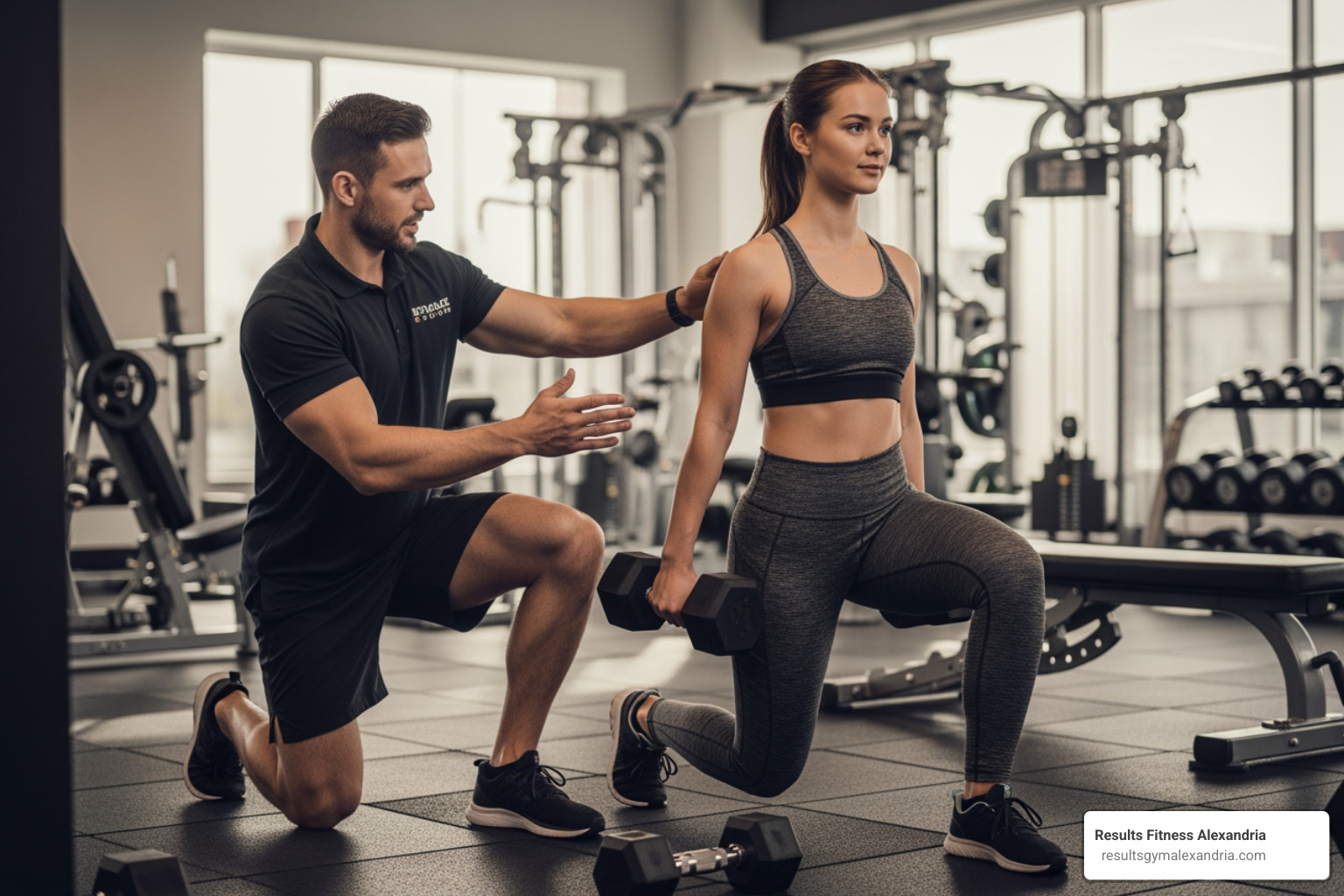
A personal trainer’s focus is, well, personal. We work one-on-one, or sometimes with a very small group, to create highly individualized programming custom to a client’s specific needs, goals, limitations, and preferences. This involves deep client relationships, meticulous assessment, and a continuous feedback loop to adjust workouts. Our expertise lies in applying exercise science principles to individual biomechanics, ensuring proper form, and providing detailed, direct feedback. This allows for maximum customization and often leads to profound changes that go beyond physical changes, building confidence and fostering long-term health habits. If you’re curious about our personalized approach, you can find More info about personal training here.
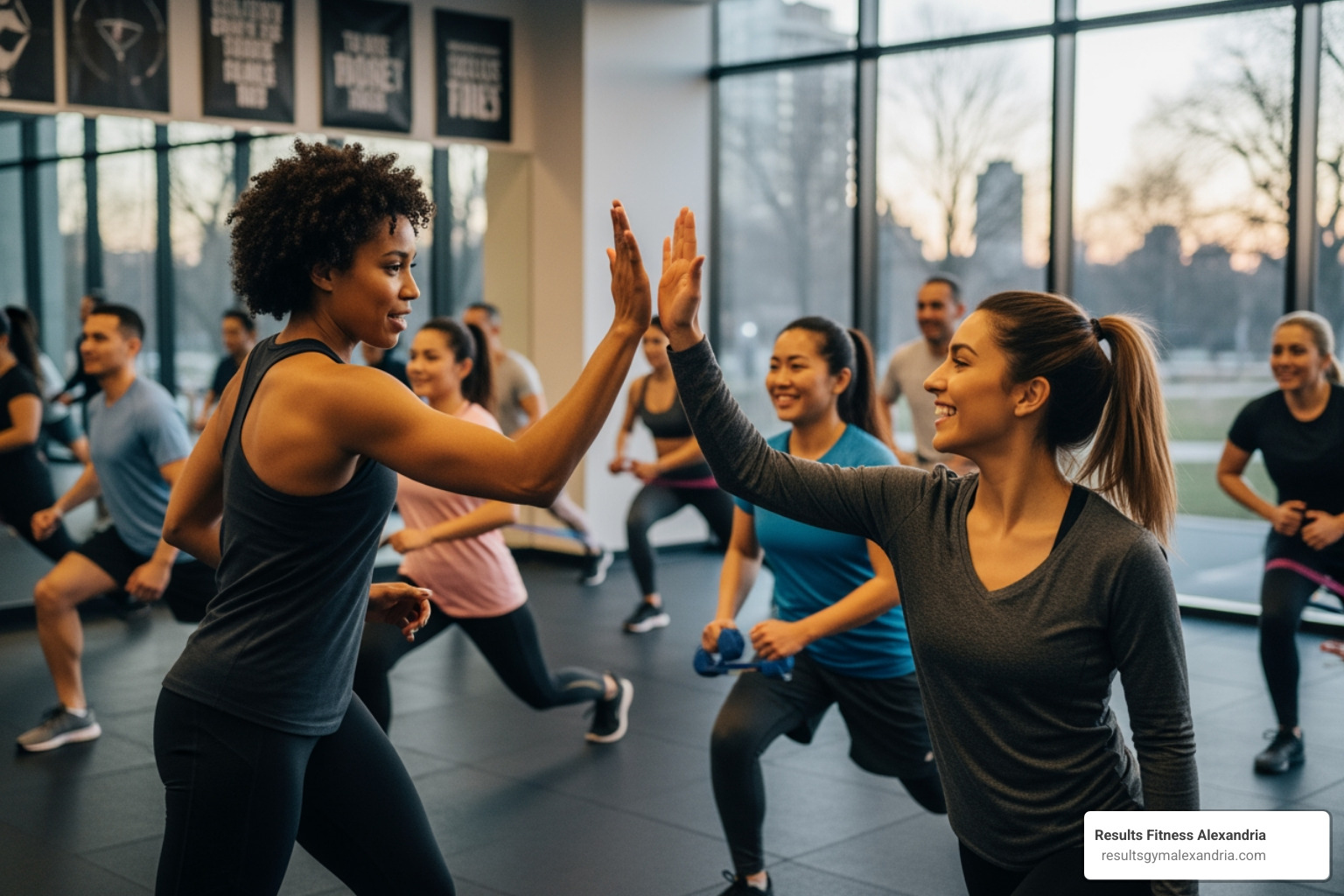
On the other hand, group fitness instructors thrive on group dynamics. We’re the conductors of energy, leading a room full of people through a standardized routine designed to engage, motivate, and challenge a wide range of fitness levels simultaneously. The environment is high-energy, often fueled by music, and focuses on creating a memorable, shared experience. While we aim for inclusivity and offer modifications, the primary interaction is generalized, and feedback is often collective rather than individual. Group instructors are masters of cueing, choreography, and fostering a sense of community and collective achievement. Want to learn more about the dynamic individuals who lead these sessions? Check out More info about group fitness instructors.
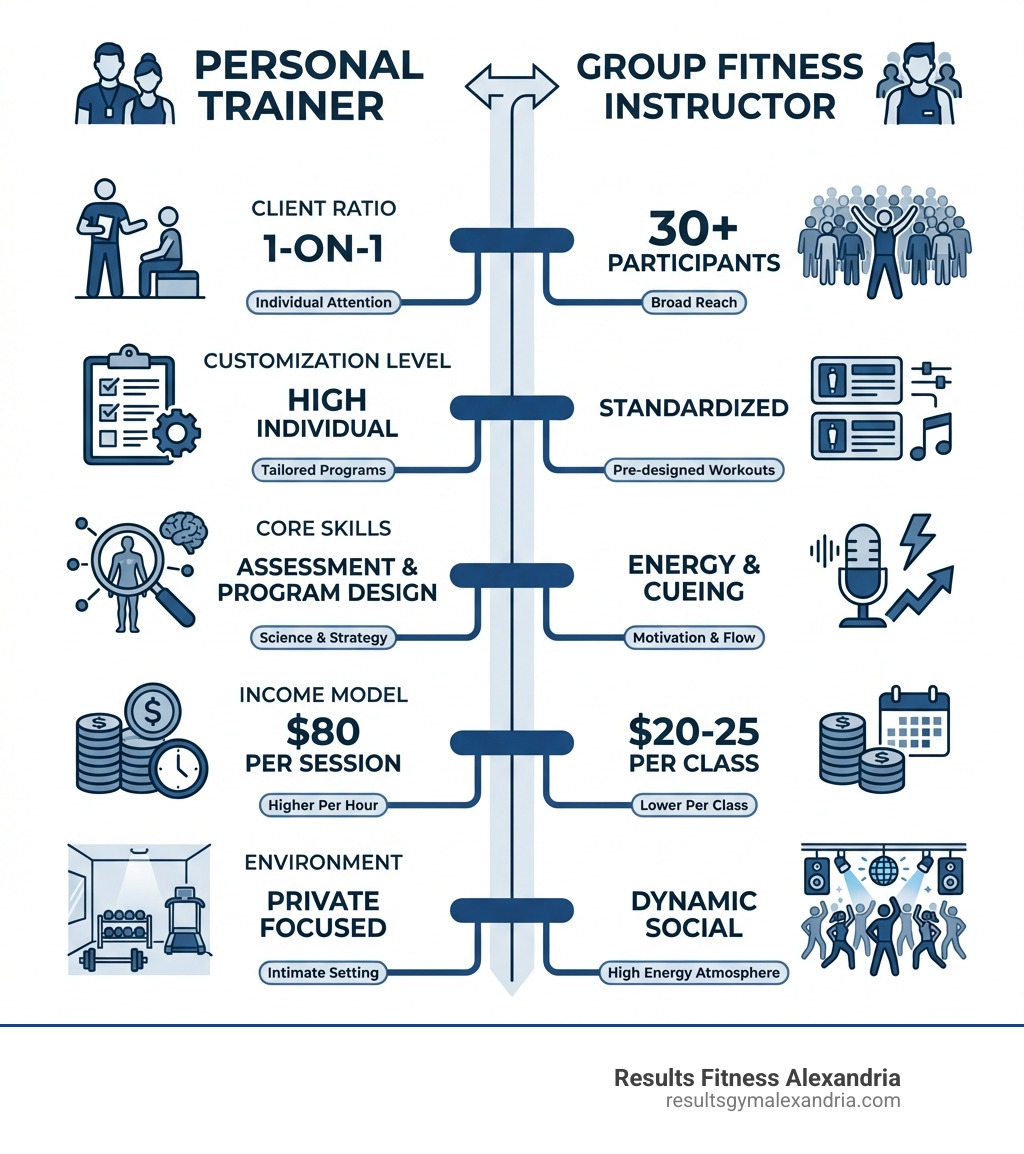
Here’s a quick comparison to highlight these differences:
| Aspect | Personal Trainer | Group Fitness Instructor |
|---|---|---|
| Client Ratio | 1-on-1 or very small group (2-4) | Large group (10-50+ individuals) |
| Customization | High: Custom to individual goals, limitations | Low to moderate: Standardized routine with general modifications |
| Core Skills | Assessment, program design, detailed correction | Energy, cueing, motivation, class management, choreography |
| Environment | Private, focused, intimate | Dynamic, social, high-energy, community-driven |
The Big Question: Can a Personal Trainer Teach Group Fitness Classes?
The resounding answer is yes! A personal trainer absolutely can a personal trainer teach group fitness classes. In fact, our foundational knowledge makes us exceptionally well-suited for it. We’ve already digd deep into exercise science, anatomy, and kinesiology – the very building blocks of safe and effective movement. This academic rigor gives us a distinct advantage, allowing us to understand why certain movements are effective and how to modify them for different bodies and abilities. We’re not just leading a workout; we’re applying our understanding of human physiology to a dynamic group setting. Whether it’s a high-intensity interval training session or a calming yoga flow, our knowledge base provides a solid framework for leading diverse More info about different fitness classes guide.
Qualifications: Can a CPT Teach Group Classes?
As Certified Personal Trainers (CPTs), we already possess a robust knowledge base that is highly transferable to group fitness. We understand proper form, exercise progression and regression, and how to spot potential risks. These are crucial skills when leading a group, as we can quickly identify someone struggling or performing an exercise incorrectly and offer on-the-fly modifications. Many of the skills we hone in one-on-one sessions, like clear communication and motivational techniques, are directly applicable to a group setting.
However, while our CPT credential provides a strong foundation, most reputable gyms and fitness centers, including Results Fitness Alexandria, prefer or require instructors to hold a specific group fitness certification. This isn’t because our CPT isn’t valuable, but because group fitness instruction demands a different set of specialized skills, such as managing large groups, effective verbal cueing, music integration, and creating an engaging class flow. These skills are typically emphasized in group fitness-specific programs. Always check with potential employers about their requirements; for instance, many look for credible certifications that demonstrate a trainer’s expertise in group settings. When considering which path to take, both our personal training clients and our group class participants trust us with their well-being, so ensuring we have the right qualifications is paramount. For more on choosing your path, consider More info about how to choose a personal trainer-everything you need to know.
Can a personal trainer teach group fitness classes without a specific certification?
The short answer is: possibly, but we strongly advise against it. While the fitness industry isn’t always legally regulated in the same way as, say, medicine, and some smaller operations might hire instructors without formal credentials, it’s generally not recommended.
Here’s why:
- Legal Requirements & Liability Risks: Teaching a group carries significant responsibility. Without a specific group fitness certification, we might lack adequate training in managing multiple participants, offering appropriate modifications for various fitness levels and potential injuries, and handling emergencies in a group setting. This exposes us, and any facility we work with, to substantial liability risks. In the event of an injury, our lack of specialized group certification could be a serious issue.
- Insurance Implications: Professional liability insurance, which is essential for any fitness professional, often has clauses regarding the scope of practice and required certifications. Teaching outside of our certified scope could invalidate our insurance coverage.
- Gym Policies: Most reputable gyms, like Results Fitness Alexandria, have strict policies requiring specific group fitness certifications. They do this to ensure quality, safety, and to protect both their members and their business. Without the right certification, our job opportunities would be severely limited.
- Credibility and Professionalism: Having a group fitness certification demonstrates our commitment to the profession, our understanding of best practices, and our ability to lead a diverse group safely and effectively. It builds trust with participants and employers alike.
- Building Experience: A dedicated group fitness certification provides us with the tools and techniques specifically designed for group instruction. This includes everything from effective cueing and choreography to managing class energy and addressing individual needs within a group context.
Instead of trying to teach without the right credentials, we recommend bridging the gap through small group training. This allows us to apply our personal training skills to a few individuals at once, slowly building confidence in a group setting before tackling larger classes. This gradual approach, coupled with pursuing a group fitness certification, ensures we are well-prepared, insured, and credible. For a deeper dive into our overall approach to More info about training, explore our offerings.
The Benefits of Blending Both Worlds
For a personal trainer, expanding into group fitness isn’t just about adding another line to our resume; it’s about open uping a whole new field of career growth, income potential, and personal development. It truly allows us to blend the best of both worlds, creating a more dynamic and rewarding fitness career.
Expand Your Impact and Income
One of the most compelling reasons for a personal trainer to teach group fitness is the sheer scale of impact. While we cherish the deep, individualized work we do one-on-one, a group fitness class allows us to inspire and guide many more people simultaneously. Imagine this: a personal trainer typically impacts one person in an hour, occasionally a small group of two to four. However, a group fitness instructor can make a difference for 30 or more people in that same hour! This exponential reach is incredibly motivating.
From an income perspective, the numbers can be equally attractive. While a personal trainer might earn $80+ per session, teaching a small group of 10 people at $20 each can yield $200 in just one hour. Even if larger group fitness classes often pay a fixed rate, say $20-25 per class regardless of size, the ability to lead multiple classes and reach a broader audience can significantly supplement our income. Furthermore, group classes act as an excellent lead generation tool for our personal training services. Participants who love our energy and expertise in a group setting are often the first to inquire about personalized coaching, creating a natural pipeline for new clients. This synergy allows us to maximize our earning potential while extending our positive influence. Find More info about the amazing benefits of working with a personal trainer.
Become a Better, More Versatile Trainer
Teaching group fitness isn’t just about earning more or reaching more people; it genuinely makes us better personal trainers. The demands of a group setting force us to hone skills that might not be as challenged in a one-on-one environment. We learn to project our voice, articulate instructions clearly and concisely, and command a room with confidence. Our communication skills evolve, as we must convey complex movements and motivational messages to a diverse group all at once.
The dynamic nature of group classes also sharpens our adaptability. We learn to offer on-the-fly modifications for various fitness levels and potential limitations, ensuring everyone feels successful and safe. This skill translates directly back to personal training, making us more resourceful and flexible with our individual clients. Moreover, the constant need to energize, motivate, and engage a crowd improves our motivational techniques, making us more inspiring and dynamic even in a one-on-one session. It’s a fantastic way to diversify our expertise and keep our training fresh and exciting. To learn more about how continuous development can benefit your fitness journey, read More info about 10 benefits to expect from working with a personal workout trainer.
Tap into a Booming Market
Group fitness is not just a trend; it’s a thriving cornerstone of the fitness industry. The popularity of group fitness classes continues to soar, making it an incredibly fertile ground for personal trainers to expand their reach. According to one survey of over 3,000 people who attend these classes, a staggering 85% consistently participate twice a week. Even more impressive, nearly half of these attendees go to the gym four times a week specifically for a fitness class. These statistics underscore a powerful truth: people love working out together!
This isn’t just good news for gym-goers; it’s fantastic news for us as fitness professionals. Group fitness classes are a key driver of member retention, changing exercise from a solo chore into a social event. The positive social pressure and camaraderie found in a group setting can make exercise more effective, increasing adherence to routines and fostering a sense of belonging. By teaching group fitness, we tap directly into this booming market, offering a valuable service that keeps members engaged and coming back for more. This consistent demand means consistent opportunities for us to lead, inspire, and grow our fitness careers. Explore our wide array of More info about group exercise programs available.
Your 5-Step Guide to Transitioning from Personal Trainer to Group Instructor
Making the leap from one-on-one personal training to leading a vibrant group fitness class might seem daunting, but with a structured approach, it’s an exciting and achievable goal. We’ve outlined a 5-step guide to help you confidently steer this transition and accept the exhilarating world of group fitness. It’s about taking your expert knowledge and learning to share it with a crowd, bringing that energy to every session. Get ready to add some serious fun to your fitness repertoire with our More info about fun fitness classes!
Step 1: Get the Right Certification
While your personal trainer certification provides an excellent foundation, a dedicated group fitness certification is often essential for credibility and employment. Most reputable gyms require it, and it equips you with the specific skills needed to manage a group effectively. We highly recommend looking into certifications from nationally recognized and NCCA-accredited organizations.
Here are some of the top certification bodies:
- American Council on Exercise (ACE): Widely recognized for its emphasis on behavior change and motivational coaching. You can find More info about the American Council on Exercise (ACE) here.
- Athletics and Fitness Association of America (AFAA): Known for its practical approach to choreography and class design.
- International Sports Sciences Association (ISSA): Offers a comprehensive group exercise instructor certification, often bundled with their CPT.
- American College of Sports Medicine (ACSM): While their group exercise instructor program is not NCCA-accredited, ACSM is a highly respected organization known for its rigorous scientific standards.
Beyond general group fitness, consider specialty certifications if you have a passion for a particular modality, such as Yoga, Indoor Cycling, Zumba, or Barre. These specialized programs will deepen your expertise and open doors to specific class formats.
Step 2: Master Group Dynamics and Cueing
This is where the art of group fitness truly shines! Leading a group is about more than just demonstrating exercises; it’s about managing a room full of diverse personalities and fitness levels, all while maintaining energy and safety.
- Class Management: Learn to keep everyone engaged, motivated, and on task. This includes positioning yourself effectively, scanning the room, and knowing when to offer individual attention within the group context.
- Verbal and Visual Cues: Develop clear, concise, and timely cues. Participants need to understand what to do, how to do it, and when to transition. Visual cues (demonstrating) are just as important as verbal ones. Practice projecting your voice without yelling, and use positive, encouraging language.
- Music Selection: Music is the heartbeat of many group fitness classes. Learn how to choose appropriate music that matches the intensity and rhythm of your workout, and how to effectively layer your cues over the music.
- Creating an Energetic Atmosphere: Your energy is contagious! Bring enthusiasm, passion, and a positive attitude to every class. This helps foster a sense of community and makes the workout enjoyable.
- Fostering Community: Encourage interaction among participants. A strong sense of community keeps people coming back, changing a workout into a shared experience. Dive deeper into building connections with our More info about community fitness classes guide.
Step 3: Design Your First Class
Designing an effective group fitness class requires careful planning and a clear structure, much like building a personal training program, but with a broader audience in mind.
- Class Structure: Every great class follows a logical flow:
- Warm-up: Prepare the body for exercise, gradually increasing heart rate and muscle temperature.
- Main Workout: This is the core of your class, comprising the bulk of the exercises and intensity.
- Cool-down: Gradually reduce heart rate, stretch muscles, and promote recovery.
- Balanced Programming: Ensure your class offers a balanced workout, hitting different muscle groups and incorporating various fitness components (cardio, strength, flexibility).
- Timing and Flow: Practice your class to ensure smooth transitions between exercises and segments. Pay attention to pacing – you don’t want to rush or drag. A typical group fitness class can range from 30 to 90 minutes. Understanding the principles of More info about aerobic fitness classes ultimate guide can be particularly helpful here.
Step 4: Practice, Shadow, and Audition
Theory is one thing, but practical application is another. To truly master group fitness instruction, you need hands-on experience.
- Practice: Lead mock classes for friends, family, or even in front of a mirror. Record yourself to identify areas for improvement in cueing, energy, and flow.
- Shadow Experienced Instructors: Ask to observe classes taught by seasoned group fitness professionals. Pay attention to how they manage the room, cue, motivate, and adapt to different situations. If possible, co-teach with them to gain direct experience and feedback.
- Get Feedback: Seek constructive criticism from mentors, colleagues, and even your mock class participants. This is invaluable for growth.
- Prepare for a Gym Audition: Most gyms will require an audition where you teach a portion of a class. Treat it like a performance! Be prepared, confident, and energetic. Our team at Results Fitness Alexandria, like many others, values passionate and well-prepared instructors. Find out more about our More info about exercise classes alexandria va and how our instructors prepare.
Step 5: Market Your New Skills
Once you’re certified and confident, it’s time to leverage your new skills to grow your fitness business. Group fitness can be a powerful marketing tool for your personal training services.
- Attracting PT Clients from Classes: Group classes are a fantastic way to showcase your expertise and personality to a large audience. Participants who love your class might be looking for more individualized attention. Be approachable, offer quick tips after class, and always have business cards or a flyer ready to hand out to interested individuals.
- Promoting Classes to Existing Clients: Encourage your personal training clients to join your group classes as a fun way to meet cardio goals, add variety, or simply enjoy a different workout atmosphere. This can improve their overall fitness journey and strengthen your relationship.
- Building a Following: Consistency is key. The more you teach, the more visible you become. Develop your unique teaching style, build rapport with your participants, and create a loyal following. This not only fills your classes but also boosts your reputation as a versatile and engaging fitness professional. To see how we make fitness accessible and enjoyable, visit our More info about gym with fitness classes.
Conclusion
So, can a personal trainer teach group fitness classes? Absolutely, and we believe it’s a fantastic move for any fitness professional looking to expand their horizons. By blending the deep, individualized knowledge of personal training with the dynamic, inspiring energy of group instruction, we open up a rewarding career path that offers increased income, a broader client reach, and a continually improved skill set.
This journey transforms us into more versatile, effective, and impactful fitness leaders, capable of motivating both individuals and large groups. At Results Fitness Alexandria, we celebrate versatile instructors who excel in both personal training and group settings. We encourage our team to continuously learn and grow, leveraging every opportunity to help our community live healthier, happier lives. Explore our diverse group fitness offerings and see our expert instructors in action. We’re confident you’ll find a class that inspires you!