Weight loss programs: Your 1st Perfect Plan 2025
Why Choosing the Right Weight Loss Program Matters
Weight loss programs range from medically supervised plans and digital apps to gym-based coaching and community groups. With nearly 3 in 4 U.S. adults having overweight or obesity, many are searching for a solution in an overwhelming market.
So, how do you choose the right one?
Key Program Types:
- Medically Supervised: Hospital or clinic-based plans with physician oversight.
- Digital & Commercial: App-based tracking, online communities, and structured meal plans.
- Professional Fitness: Gym-based training with personal trainers and nutrition coaches.
- Community Support: Peer-led accountability groups.
Effective weight loss isn’t about finding a perfect program, but the right one for your needs, goals, and lifestyle. Successful programs combine healthy eating, regular physical activity, and ongoing support to build strategies for long-term maintenance—not quick fixes.
As Jennifer Rapchak, Fitness Director at Results Fitness Alexandria, I’ve spent over 14 years guiding clients to success. My approach focuses on sustainable fitness, personalized coaching, and creating a supportive environment for building lasting healthy habits. This guide will help you steer your options and make an informed choice for your health journey.
Simple Weight loss programs glossary:
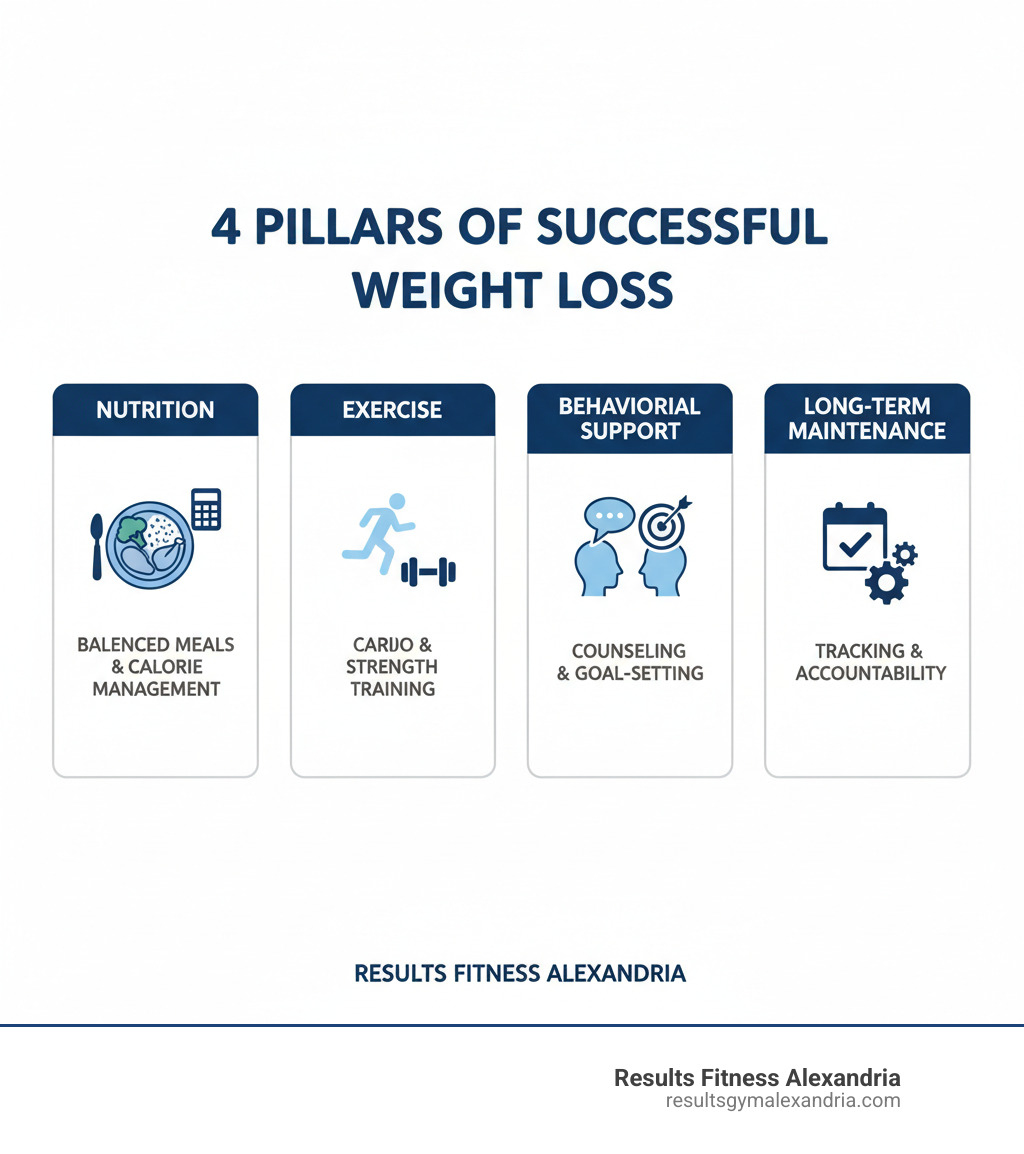
The Building Blocks of a Successful Weight Loss Journey
Lasting change comes from building on three essential foundations: nutrition, movement, and mindset. A holistic approach that addresses these pillars together is the key to creating sustainable habits, not just following a temporary diet. Let’s break down each building block.
Balanced Nutrition and Calorie Management
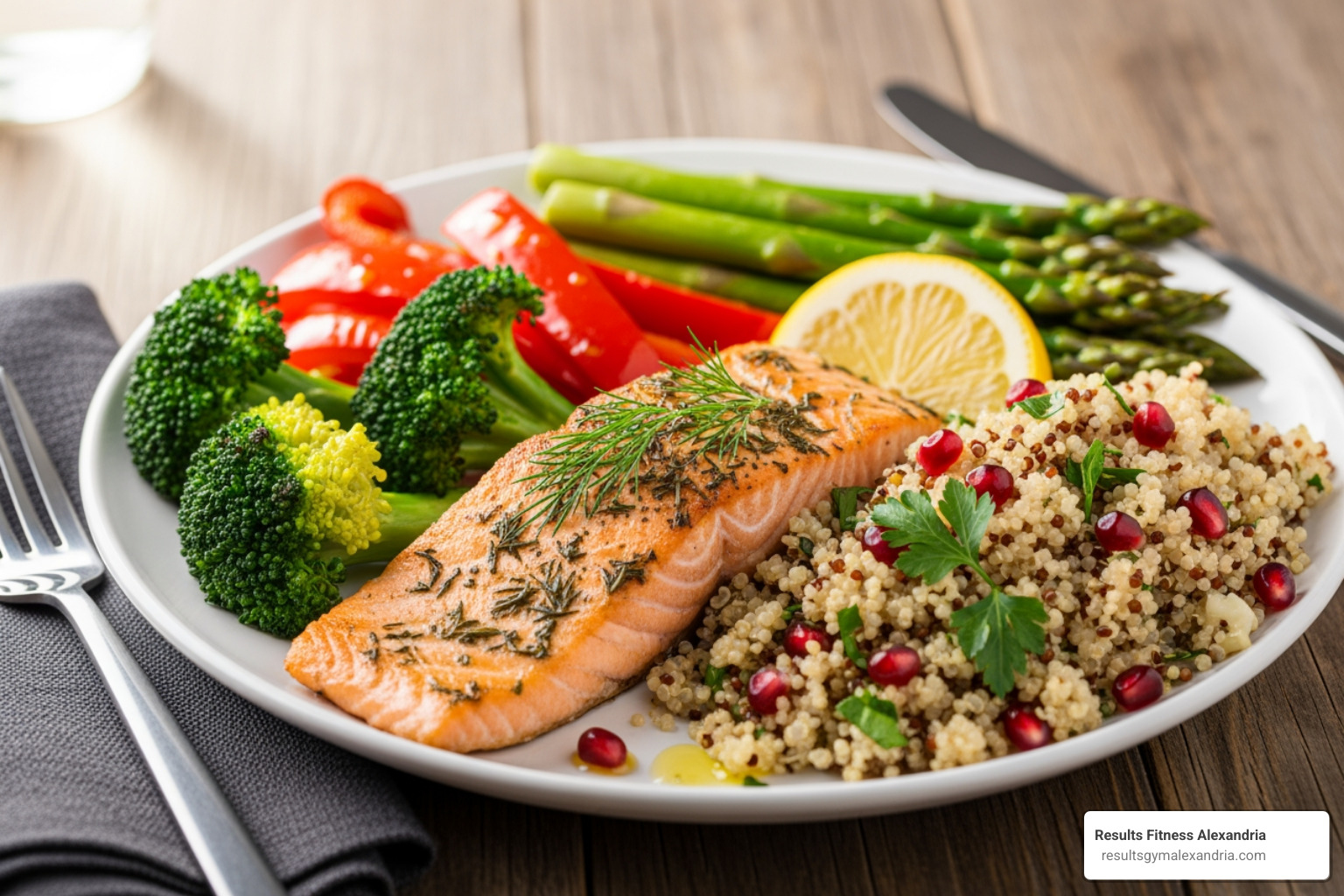
Most weight loss happens through nutrition. The core principle is a calorie deficit—consuming fewer calories than you burn. But it’s about eating smarter, not just less. Fill your plate with nutrient-dense foods like vegetables, lean proteins, and whole grains to stay full and energized. The MyPlate guidelines are a great visual for a balanced meal.
Pay attention to macronutrients (carbs, proteins, fats) and stay hydrated, as water is crucial for metabolism. A key tip is to avoid ultra-processed foods, which are often high in empty calories and low in nutrition. Nourishing your body properly improves gut health, reduces disease risk, and gives you the energy to succeed.
The Crucial Role of Physical Activity
Exercise is a powerful tool that burns calories, builds muscle, and boosts your metabolism, helping your body burn fat more efficiently. The CDC recommends at least 150 minutes per week of moderate-intensity aerobic physical activity, but more may be needed for significant weight loss.
So, cardio or strength training? The answer is both. Our guide on Cardio vs Strength Training for Weight Loss: Which is Better? explains that cardio burns calories during your workout, while strength training builds muscle that burns calories long after.
At Results Fitness Alexandria, members who combine different exercises, like our group fitness classes and personal training, see the best results. The most important factor is finding activities you enjoy, so exercise becomes a rewarding part of your day. Also consider Functional Fitness: What Is It and How to Use It for Weight Loss for movements that support everyday life.
Behavioral Support and Counseling
The hardest part of weight loss is consistency. This is where behavioral support becomes essential. Your mindset impacts your success, so effective programs include coaching to help you change unhelpful patterns.
Accountability from a dietitian, personal trainer, or support group makes a huge difference. Learning healthy stress management techniques can prevent emotional eating from derailing your progress. Finally, goal setting—creating specific, realistic, and measurable goals—provides a clear path forward. This support system is your safety net for when setbacks happen, helping you get back on track instead of giving up.
Navigating the Landscape of Weight Loss Programs
Understanding the main categories of weight loss programs makes the decision much clearer. The best program is the one that fits your life, health needs, and personality—the one you’ll stick with long-term.

Medically Supervised Weight Loss Programs
For those with obesity (BMI > 30) or serious weight-related health conditions, a medically supervised program is often the best start. Run through hospitals or clinics, these programs are overseen by doctors, dietitians, and other specialists. According to the NIDDK’s Treatment for Overweight & Obesity guidelines, they often involve intensive counseling.
These programs may include a full medical workup, very-low-calorie diets (VLCDs), or FDA-approved prescription medications under strict supervision. The key benefit is professional oversight and long-term maintenance support.
Commercial and Digital Programs
These programs offer structure and convenience, often through a smartphone app. They typically feature calorie or points-based tracking, structured meal plans, and large food databases.
A major component is community support through online forums or virtual meetings, connecting you with others on a similar journey. Many have evolved to offer personalized plans for different dietary needs. Their accessibility and generally lower cost make them a popular choice.
Professional-Guided Fitness Programs
These programs place fitness at the center of your weight loss journey. They are ideal if you thrive with hands-on guidance, personalized workout plans, and the energy of a supportive community.
Personal training offers the most individualized approach, with certified trainers designing routines for your specific goals and fitness level. Our Weight Loss Solutions integrate this personalized support.
Group fitness classes provide variety, motivation, and expert instruction in a community setting. Our classes, from high-intensity training to functional fitness, cater to all levels.
Effective fitness programs combine cardio with strength training, which builds muscle to boost your metabolism 24/7. As our guide on Cardio vs Strength Training for Weight Loss: Which is Better? explains, this combination is key. Many programs, including ours, also offer nutrition coaching to ensure your diet supports your workouts.
How to Choose the Right Program for Your Goals and Lifestyle
Choosing the right weight loss program is a personal decision. The goal is to find a program that fits your life, goals, and preferences.

Assess Your Health and Set Realistic Goals
Start by talking to your doctor to assess your overall health and identify any conditions, like high blood pressure, that might affect your approach. A BMI calculator can provide a helpful baseline.
Research shows that aiming to lose 5% to 10% of your starting weight over six months is a realistic and healthy goal. This modest amount can dramatically improve health markers like blood sugar and joint strain.
Consider Your Lifestyle, Budget, and Preferences
A program must fit your daily reality. Be honest about your time commitment for meal prep and exercise. At Results Fitness Alexandria, we help you build routines that fit your schedule, from early morning workouts to evening group fitness classes.
Your personality matters. Do you prefer the energy of a group or the focused attention of one-on-one coaching? We offer both personal training and group classes to match your preference.
Budget is also a key factor. Costs vary widely, so check what’s included—nutrition guidance, ongoing support, and maintenance plans all add value. It’s always worth checking if your health insurance offers any coverage.
Questions to Ask Before Joining a Program
Before committing, ask these key questions:
- Does the program have proven results? Look for data beyond testimonials.
- What exactly does the program include? Get specifics on the eating plan, activity, and support.
- Who will be guiding you? Check for qualified professionals like registered dietitians or certified personal trainers.
- What is the total cost? Ask about any hidden fees or required products.
- What happens after the initial weight loss? A good program includes a long-term maintenance plan.
- What are the typical results? Ask about average weight loss and long-term success rates.
- Will the program coordinate with my doctor? This is crucial if you have existing health conditions.
Red Flags: How to Spot Ineffective or Dangerous Programs
It’s crucial to know what to avoid. The weight loss industry has programs that prey on vulnerabilities with ineffective or dangerous methods. Here’s how to spot the red flags and protect your health.

Unrealistic Promises and Quick Fixes
This is the biggest red flag. Be wary of any weight loss program that promises rapid, dramatic results like “lose 30 pounds in 30 days.” Healthy, sustainable weight loss is typically 1-2 pounds per week. Also, avoid any program claiming you can “lose weight without diet or exercise.” This is biologically impossible. Legitimate programs never guarantee specific results, as individual outcomes vary. Be skeptical of dramatic before-and-after photos, which can be misleading.
Lack of Scientific Backing and Professional Oversight
A reputable program is grounded in science and overseen by qualified professionals. If a program can’t provide evidence of its effectiveness, it’s a major red flag. Check the staff’s credentials—look for registered dietitians and certified trainers.
Be cautious of programs that push unproven supplements, which are often ineffective and can be dangerous. Any program using very-low-calorie diets or prescription medications requires direct medical oversight. You can report false claims or scams to the Federal Trade Commission.
Overly Restrictive or Unsustainable Methods
Sustainable weight loss is about building lifelong habits, not temporary deprivation. Avoid plans that eliminate entire food groups without medical reason. A healthy diet is balanced and inclusive.
Extremely low-calorie plans without medical supervision are dangerous and can lead to nutrient deficiencies and other health complications. A quality program must also have a maintenance plan to help you keep the weight off long-term. Programs that are overly rigid or exclude cultural foods are difficult to stick with and are not sustainable. At Results Fitness Alexandria, we focus on building a positive, sustainable relationship with exercise and nutrition.
Frequently Asked Questions about Weight Loss Programs
As a fitness director, I hear the same questions from people exploring their weight loss programs options. Here are the answers to the most common concerns.
How much weight should I aim to lose per week?
A safe, sustainable rate is 1 to 2 pounds per week. This steady pace allows your body to adjust, helps preserve muscle mass, and builds habits that stick. While some medically supervised plans may show faster initial results, this pace is rarely sustainable. A loss of 1.5 pounds per week adds up to 72 pounds in a year—focus on the long-term trend, not daily fluctuations.
Do I need medication to lose weight?
For most people, medication is not the first step. The foundation of any successful program is lifestyle change: healthy eating and regular exercise. Prescription medications can be a valuable tool in specific cases, typically for individuals with a BMI over 30 or those with a BMI of 25-29.9 who also have weight-related health conditions. These medications always require medical supervision and work best when combined with a healthy lifestyle.
What is the best type of exercise for weight loss?
The best exercise is one you’ll do consistently. However, a combination approach works best for most people.
Cardio exercise (brisk walking, cycling) is great for burning calories. The CDC recommends at least 150 minutes of moderate-intensity aerobic activity per week.
Strength training is equally important. Building muscle boosts your resting metabolism, meaning you burn more calories 24/7. Our article on Cardio vs Strength Training for Weight Loss: Which is Better? dives deeper into this.
At Results Fitness Alexandria, our programs incorporate both. Whether in personal training or our group fitness classes, including functional fitness, you’ll find effective and enjoyable options. When exercise feels rewarding, lasting change happens.
Conclusion: Your Path to Sustainable Success
You are now equipped to choose a weight loss program that truly fits your life. Lasting success comes from a program that combines balanced nutrition, consistent physical activity, and strong behavioral support.
The fitness component is especially powerful. Exercise not only burns calories but also builds metabolism-boosting muscle, strengthens your body, and improves your mood. It proves what you’re capable of achieving.
At Results Fitness Alexandria, we’ve built our foundation on this holistic approach. Our certified personal trainers and motivating group fitness classes provide a community that celebrates every victory. We know starting can be intimidating, which is why we offer a diverse range of classes to suit all levels. Our 12 of the Best Fitness Classes for Weight Loss guide can help you find the perfect fit.
Your journey is about consistency and self-compassion. Ready to see how expert guidance and a supportive environment can make a difference? Take advantage of our free 1-day pass to try our amenities. Your healthier, stronger future is waiting, and we’re here to help you build it.