Post workout recovery: Rx 4 Faster Healing
Why Post Workout Recovery Determines Your Fitness Success
Post workout recovery is the critical phase where your body adapts to training stress and becomes stronger. Without proper recovery, even the most intense workouts won’t deliver the results you’re working toward. Think of your workout as the stimulus and recovery as the adaptation. The workout breaks down muscle tissue, and recovery is when the actual improvements happen—muscles repair, grow stronger, and your fitness capacity increases.
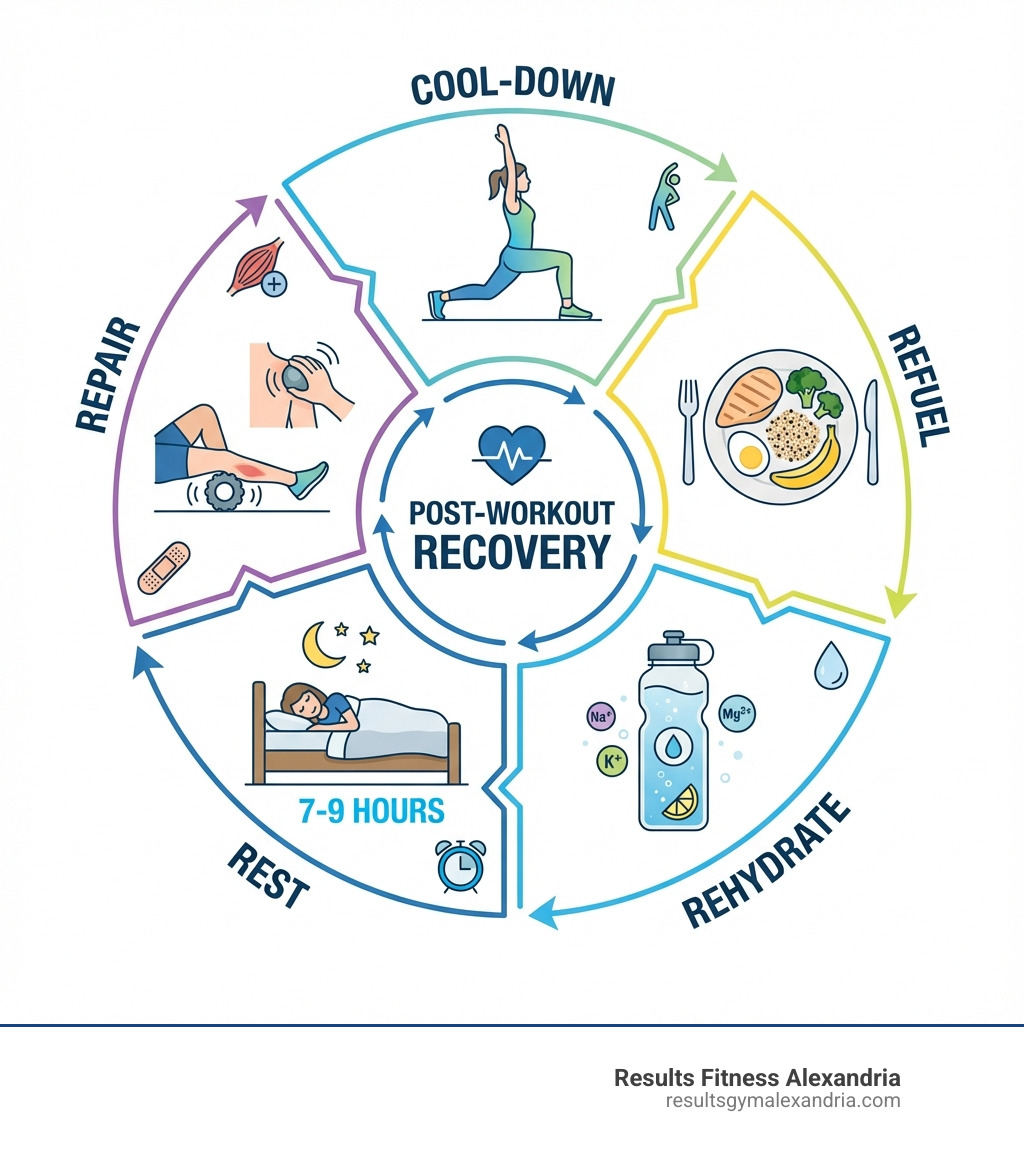
Essential Post Workout Recovery Steps:
- Cool down for 5-10 minutes with light movement
- Rehydrate with 16-24 ounces of water immediately
- Refuel with 20-40g protein and carbohydrates within 2 hours
- Rest with 7-9 hours of quality sleep
- Manage soreness through stretching, foam rolling, or active recovery
Effective recovery doesn’t require expensive equipment. It starts with simple, proven strategies: proper nutrition, hydration, quality sleep, and strategic rest days. Giving your body what it needs to recover helps you avoid injuries and burnout.
As Jennifer Rapchak, Fitness Director at Results Fitness Alexandria, I’ve seen countless clients transform their results by prioritizing post workout recovery. The strategies in this guide are the same ones I use with our personal training clients to help them recover faster, prevent injury, and maximize every workout.
Post workout recovery vocabulary:
The First 30 Minutes: Immediate Post-Workout Protocols
The first 30 minutes post-workout are crucial for setting the stage for optimal post workout recovery. What you do right after your last rep can make a huge difference.
Cool-Down and Stretching
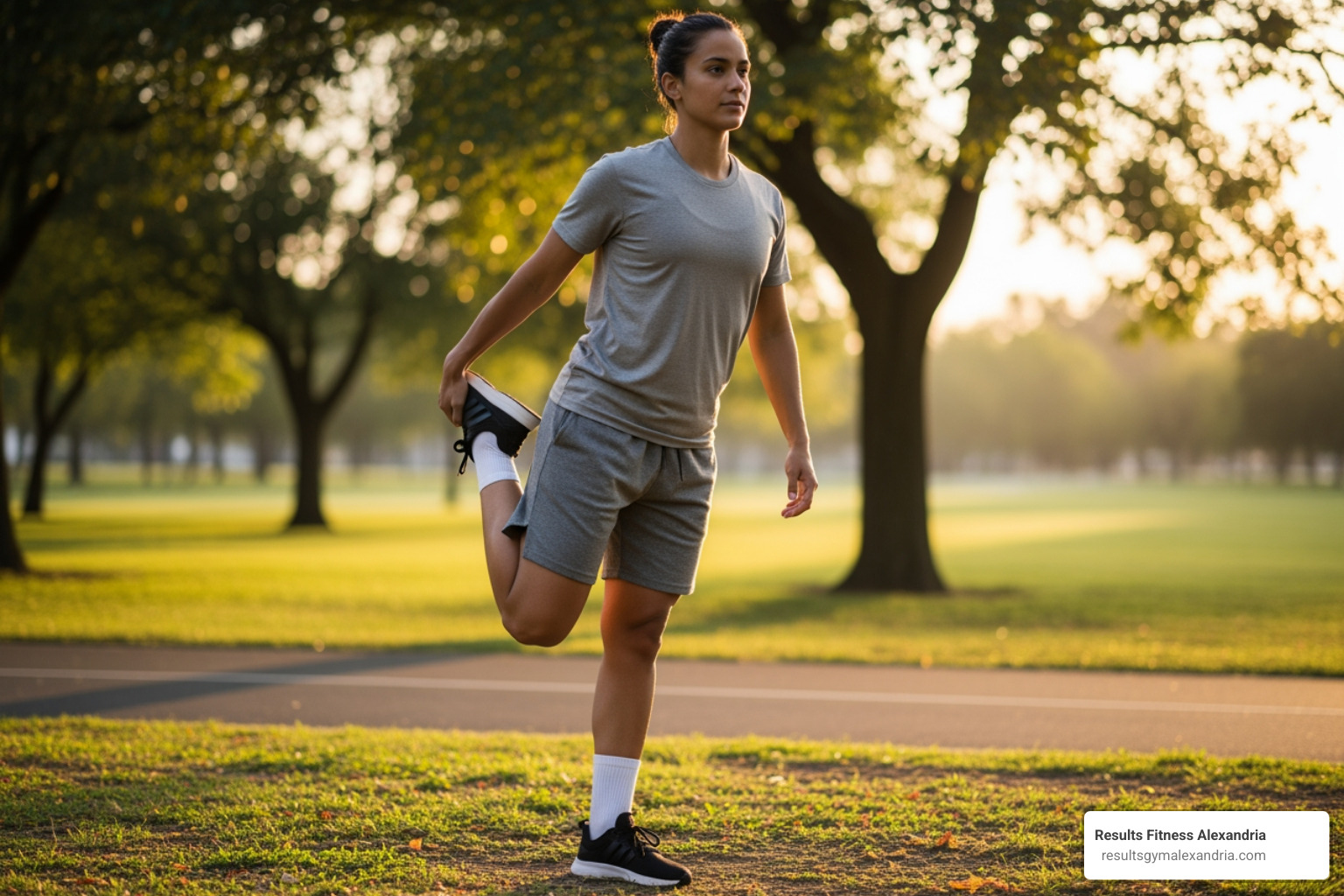
A gradual cool-down helps your heart rate and breathing return to normal, preventing dizziness and reducing stress on your cardiovascular system. Spend 5-10 minutes doing light cardio, like walking or gentle cycling.
Follow this with 10-15 minutes of static stretching, holding each stretch for about 30 seconds. Focus on the major muscle groups you just worked. This helps decrease muscle tension, reduce soreness, and lower your risk of injury.
Dynamic vs. Static Stretching: What’s the Difference?
It’s important to understand the distinction between dynamic and static stretching, and when to use each for optimal results.
| Feature | Static Stretching (Post-Workout) | Dynamic Stretching (Pre-Workout) |
|---|---|---|
| Timing | After a workout, when muscles are warm | Before a workout, as part of a warm-up |
| Movement | Holding a stretch in a lengthened position for a period | Controlled, fluid movements that take your body through its full range of motion |
| Purpose | Improve flexibility, increase range of motion, reduce muscle soreness, promote relaxation | Prepare muscles for activity, increase blood flow, improve mobility, reduce injury risk |
| Example Exercises | Quad stretch, hamstring stretch, tricep stretch, chest stretch | Leg swings, arm circles, torso twists, walking lunges |
While dynamic stretching is for warming up, static stretching is your best friend for post workout recovery, helping to lengthen muscles and improve flexibility.
Initial Hydration
You lose a significant amount of water through sweat during exercise. Dehydration can cause muscle cramping, fatigue, and a decline in performance. Replacing lost fluids immediately is a key to strong recovery.
The American College of Sports Medicine (ACSM) recommends drinking 2 to 3 cups (473 to 710 ml) of water after your workout for every pound (0.5 kg) of weight lost. This is a vital step in supporting your body’s recovery. You can learn more about the effects of dehydration here: Dehydration effects on performance.
The Pillars of Post Workout Recovery: Nutrition and Rest
Once you’ve cooled down, the next phase of post workout recovery focuses on replenishing your body’s resources. This involves the “4 R’s” of recovery: Refuel, Rehydrate, Repair, and Rest.

Refuel and Rehydrate: Carbs, Water, and Electrolytes
During exercise, your muscles use glycogen for energy. Replenishing these stores with carbohydrates is a top priority for optimal performance. Post-exercise carb intake is strongly recommended for efficient glycogen resynthesis. You can learn more about nutritional strategies here: Nutritional Strategies for Post-exercise Recovery.
Beyond water, you also lose crucial electrolytes like sodium, potassium, and magnesium through sweat. Insufficient levels can lead to muscle cramping. Foods like bananas and oranges are excellent natural sources of potassium. For more information, see: Replenishing electrolytes. Low-sugar sports drinks can also be beneficial for replacing both carbs and electrolytes after intense sessions.
The Role of Protein in Post Workout Recovery
If carbs are fuel, protein is the building material. Strenuous workouts create microscopic tears in muscle fibers, a normal part of getting stronger. Protein is critical for repairing this damage through a process called Muscle Protein Synthesis (MPS).
To kickstart MPS, consume 20-40 grams of high-quality protein after a tough workout. While the post-workout “anabolic window” is broader than once thought, consuming protein soon after exercise gives your recovery a head start. More importantly, focus on your total daily protein intake, distributed evenly throughout the day.
Here are some excellent sources of high-quality protein:
- Chicken Breast: Lean, versatile, and packed with protein.
- Whey Protein: A fast-digesting protein, ideal for quick post-workout delivery.
- Eggs: A complete protein source, offering all essential amino acids.
- Greek Yogurt: High in protein and often contains beneficial probiotics.
- Tofu: A fantastic plant-based protein source.
- Lentils: Another great plant-based option, also rich in fiber.
- Fish (e.g., salmon, tuna): Excellent protein sources, with fatty fish also providing beneficial omega-3s.
- Low-sugar protein bars/shakes: Convenient options when a whole meal isn’t immediately available.
- Chocolate Milk: A surprisingly effective recovery drink, offering a great carb-to-protein ratio.
The Ultimate Recovery Tool: Sleep
What happens when we sleep is arguably the most powerful aspect of post workout recovery. During deep sleep, your body releases Human Growth Hormone (HGH), which is crucial for tissue repair and muscle growth. Without enough rest, you won’t feel the full benefits of your workout.
Most people need 7-9 hours of quality sleep. After a workout, it’s even more important to hit this target to help your body recharge. To optimize sleep, consider these tips:
- Maintain a consistent sleep schedule.
- Create a dark, quiet, and cool sleep environment (60-67°F / 15-19°C).
- Reduce screen time at least an hour before bed.
- Avoid heavy meals, caffeine, and alcohol close to bedtime.
- Incorporate relaxation techniques like gentle stretching or reading.
Prioritizing sleep gives your body the essential time it needs to heal and adapt.
Advanced Recovery and Managing Soreness
Sometimes, even with great nutrition and sleep, our bodies need extra help to bounce back from tough workouts. This is where advanced recovery techniques come in.
Active Recovery and Gentle Movement
“Rest doesn’t mean spending all day on the couch.” Active recovery involves light, low-intensity exercise that increases blood flow to your muscles. This delivers fresh oxygen and nutrients while flushing out metabolic waste that contributes to soreness.
Examples of effective active recovery include:
- Light walking
- Gentle stretching
- Low-intensity cycling
- Easy swimming or pool sessions
- Gentle yoga
These activities keep your blood circulating and can help you feel fresher faster.
Managing DOMS and Muscle Soreness
Delayed Onset Muscle Soreness (DOMS) is the ache that appears 12 to 48 hours after a challenging workout. It’s a sign your muscles are adapting, but it can be uncomfortable. Here’s how to manage it:
- Foam Rolling and Massage: This form of self-myofascial release acts like a deep tissue massage. It helps release tight muscles, increase blood flow, and speed up the healing process. Spend 10-15 minutes using a foam roller on tight or sore areas.
- Topical Pain Relief: Products like BenGay or Tiger Balm offer temporary relief by creating sensations that override pain signals. They alleviate discomfort but don’t speed up the underlying muscle repair.
- Cryotherapy and Cold Therapy: Exposing the body to cold temperatures via ice packs or ice baths (5-20 minutes in 46-59°F or 8-15°C water) can reduce inflammation and muscle soreness by constricting blood vessels. While effective for soreness, some studies suggest it might slightly blunt muscle growth if used immediately after strength training.
- Heat Therapy: After initial soreness subsides, heat can be beneficial. A warm bath or heating pad can promote blood flow and relax stiff muscles.
Managing DOMS is about finding what works for your body. Experiment with these methods and listen to your body’s feedback.
Planning for Recovery: Preventing Overtraining
Pushing too hard without adequate time to recover can lead to overtraining, which stalls progress and can cause injury and burnout. Smart post workout recovery means planning for it.
Optimizing Your Schedule for Post Workout Recovery
Rest days are not a sign of weakness; they are a critical component of progress. Your muscles grow during recovery, not in the gym. Here’s how to optimize your schedule for recovery:
- Accept Rest Days: Aim for at least one dedicated rest day per week to allow for healing and energy replenishment.
- Alternate Muscle Groups: Avoid working the same major muscle groups on consecutive days. For example, follow a heavy leg day with an upper body or active recovery day.
- Periodization: Vary your workout intensity and volume over time. Cycling through periods of high intensity, moderate intensity, and active recovery prevents overtraining.
- Listen to Your Body: If you’re feeling unusually fatigued or sore, your body might need more rest. Pushing through can be counterproductive.
A balanced weekly schedule might include three days of strength training, two days of cardio, and two days of active rest.
Recognizing the Signs of Overtraining
Persistent fatigue or a lack of progress might be signs of overtraining. Key signs include:
- Persistent Fatigue: Feeling constantly tired, even after adequate sleep.
- Decreased Performance: Noticeable drops in strength, speed, or endurance.
- Mood Disturbances: Increased irritability, anxiety, or depression.
- Nagging Injuries: Frequent aches and pains that don’t seem to heal.
- Liftd Resting Heart Rate: A resting heart rate that is noticeably higher than usual.
- Poor Sleep Quality: Difficulty falling or staying asleep despite being tired.
- Loss of Appetite
- Increased Illness
If you suspect you’re overtraining, pull back by taking extra rest days or reducing workout intensity. Ignoring these signs can lead to more serious issues. For an in-depth look, see this Overtraining and recovery conceptual model. Smart training and recovery yield better long-term results than relentless pushing.
Frequently Asked Questions about Post-Workout Recovery
Here are answers to common questions about post workout recovery.
What should I eat immediately after a workout?
It’s beneficial to consume a combination of protein and carbohydrates within two hours of exercise. Carbs replenish your energy (glycogen) stores, while protein provides the amino acids needed to repair and build muscle.
A good goal is 20-40 grams of protein and 45-90 grams of carbs. Great options include a protein shake with a banana, Greek yogurt with berries, or a meal like grilled chicken and sweet potatoes. Chocolate milk is also a surprisingly effective choice.
How long does it take for muscles to recover?
Full muscle recovery typically takes 24 to 72 hours. This timeline depends on several factors:
- Workout Intensity: Heavy strength training requires more recovery than light cardio.
- Fitness Level: Beginners may need longer to recover than seasoned athletes.
- Nutrition and Hydration: Proper intake of protein, carbs, and fluids speeds up recovery.
- Sleep Quality: Poor sleep will prolong recovery time.
Listen to your body. If a muscle group is still very sore, it likely needs more rest.
Is it okay to work out with sore muscles (DOMS)?
It depends on the severity of the soreness:
- Mild Soreness: It’s generally okay to engage in light activity or active recovery, like walking or stretching. This can sometimes help alleviate soreness by increasing blood flow. You can also work a different, non-sore muscle group.
- Severe Soreness or Pain: If movement is difficult or you feel sharp pain, rest that muscle group. Pushing through severe pain increases your risk of injury.
It’s crucial to distinguish between normal muscle soreness and an injury. If pain is sharp, localized, or persists for more than 72 hours, consult a healthcare professional.
Conclusion: Make Recovery Part of Your Workout
We’ve explored the many facets of post workout recovery, from immediate cool-down strategies and crucial nutritional intake to the restorative power of sleep and advanced techniques for managing soreness. What stands out is a simple, yet profound truth: recovery is not passive; it’s an active process, just as important as the workout itself.
To truly maximize your fitness gains, prevent injuries, and sustain your motivation for the long haul, you must intentionally integrate recovery into your overall fitness regimen. Consistency in these practices—hydrating, refueling with quality protein and carbohydrates, prioritizing 7-9 hours of sleep, and incorporating active recovery and rest days—is the bedrock of long-term success.
At Results Fitness Alexandria, we understand that balancing intense training with smart recovery can sometimes feel like a puzzle. That’s why our expert personal trainers are here to help you piece it together. We can work with you to design a personalized plan that perfectly aligns with your fitness goals, taking into account your body’s unique needs and ensuring you recover effectively to keep pushing your limits safely and sustainably.
Ready to experience the difference that a custom approach to post workout recovery can make in your fitness journey? We invite you to try our amenities and find how our community can support your goals.
Get personalized guidance with a free 1-day pass.